
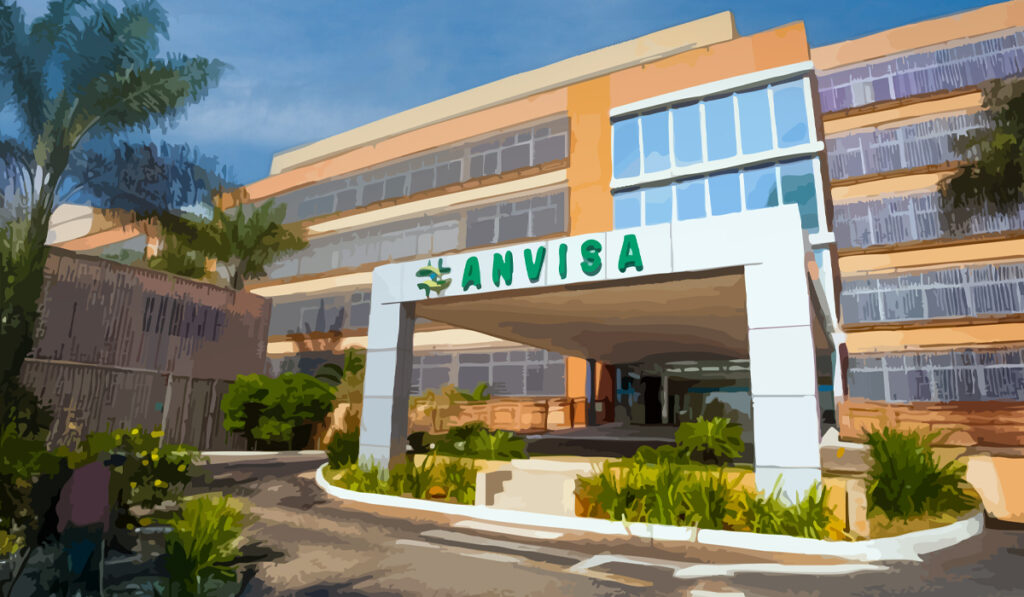
Brazil’s health regulator has launched a technical consultation to gather scientific evidence on industrial hemp cultivation, offering a limited but notable sign of regulatory motion after several years of repeated delays.
The National Health Surveillance Agency (Anvisa) is accepting scientific studies on the cultivation of industrial hemp until Dec. 12. The research is intended to inform the technical basis of a future regulation governing hemp cultivation in Brazil.
The initiative is framed strictly as an evidence-gathering exercise. Anvisa is not providing funding, incentives, or participant evaluation. Instead, it is assembling existing scientific literature from journals and research repositories as groundwork for future rulemaking.
Technical basis
A specialized Anvisa committee will review and organize the submitted studies. The results will be published in a public technical report, which the agency says will serve as the scientific foundation for any future hemp growing rules.
The process follows several years in which proposed regulations were repeatedly delayed, most recently after federal authorities cited the complexity of rulemaking and the need for additional technical analysis.
The renewed focus on assembling evidence suggests regulators are rebuilding the administrative record after those stalled efforts.
Brazil’s Superior Court of Justice (STJ) one year ago affirmed that Anvisa and the federal government have authority to regulate cultivation of Cannabis sativa for medicinal and pharmaceutical purposes, and separately confirmed that this authority extends to industrial hemp. In practice, the current regulatory process applies to non-intoxicating hemp rather than marijuana. It does not, however, recognize hemp for its non-medical applications.
Scope of studies
Anvisa is accepting published studies written in Portuguese, English, or Spanish. Areas of interest include cannabinoid profiles; THC and CBD testing methods; agronomy and climate zoning; hemp genetics and plant traits; traceability, quality control, and cultivation practices; and comparative legal and socio-economic frameworks.
The emphasis on agronomy, genetics, and compliance reflects ongoing debate over Brazil’s readiness to support domestic hemp cultivation in the absence of a defined licensing system.
Embrapa role
The scientific call follows Anvisa’s recent decision to grant Brazil’s agricultural research agency, Embrapa, an exceptional authorization to conduct industrial hemp cultivation research.
Under the authorization, Embrapa may grow hemp subject to on-site inspections and strict security, safety, and traceability requirements. Commercialization of any material derived from the research is prohibited. Only plant material not suitable for propagation may be transferred to other authorized research institutions.
The approval positions Embrapa as a key technical contributor to the evidentiary base informing future hemp regulation.
Legal limits
Despite court rulings and renewed regulatory activity, commercial cultivation of industrial hemp in Brazil remains unauthorized, including for fiber, grain, seed-based food products, and other industrial applications.
There is currently no national licensing framework allowing farmers to grow hemp commercially. Imports of hemp-derived products are permitted under specific conditions, and cultivation is allowed only on an exceptional, tightly controlled research basis pending formal rulemaking.
The current Anvisa process does not establish a timeline for regulation, nor does it address unresolved policy questions such as THC thresholds, licensing models, or commercial production rules. Instead, it signals an incremental approach — reinforcing the scientific and legal foundation for hemp-specific regulation before advancing to formal authorization.