
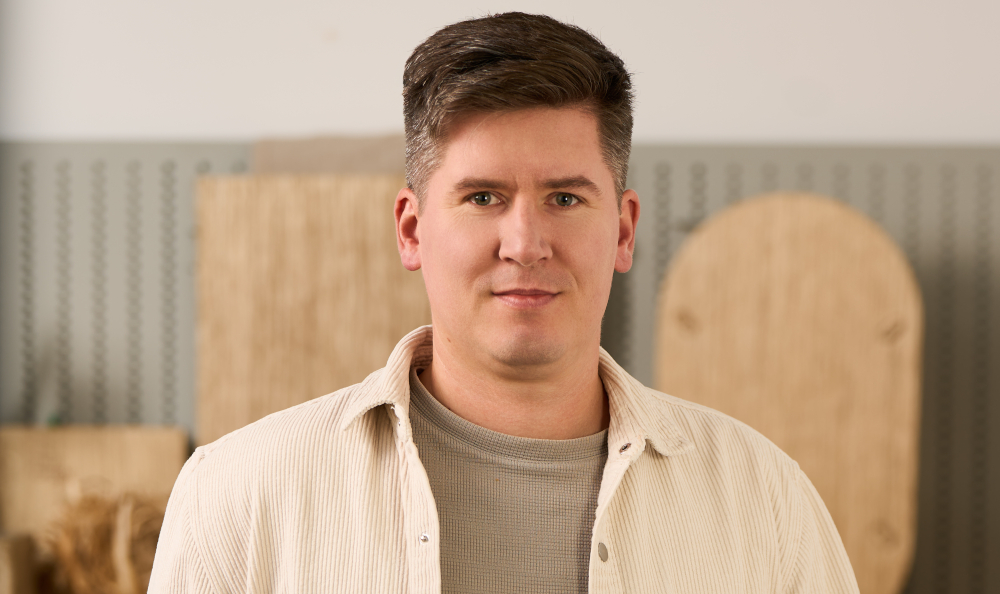
INTERVIEW: Jacek Kramarz was recently named president of the European Industrial Hemp Association (EIHA). He is vice president of Poland-based Green Lanes SA, a publicly listed European group focused on developing new materials based on hemp. He began his hemp career as a co-founder of HemPoland, helping build one of Europe’s early CBD companies from R&D to international scale. Previously, he worked in investment banking and strategic consulting with Pekao SA and UniCredit Group. Kramarz is a licensed securities broker with experience in M&A, compliance, and regulated markets.
HempToday: It’s been announced that the annual June EIHA summit will be in Poland this year. What will international guests learn about Poland and hemp during that event?
JK: I am very excited to host the EIHA annual conference in Poland together with the Institute of Natural Fibers in Poznań. This event will be unique thanks to the institute, which is a research center with its own production facilities. The EIHA conference promise is based on meritocracy, and we guarantee speakers and panel discussions packed with data, facts, and insights from our members.
We will have sessions dedicated to different business verticals in separate focus rooms, encouraging more in-depth discussion and fostering cooperation among companies working in the same fields of expertise. On top of that, this year our visitors will have the opportunity to see the institute’s research laboratories. We are also planning a field trip to a nearby spinning facility. The institute is a governmental institution under Poland’s Ministry of Agriculture, and we expect strong representation from the ministry.
HT: The European hemp sector expanded rapidly during the CBD boom and then contracted. What lessons should EIHA draw from that cycle?
Jacek Kramarz: The key lesson is that EIHA’s role is to defend the so-called “whole plant approach.” Hemp is an extraordinary and highly versatile crop with the potential to transform multiple industries — from nutraceuticals and cosmetics to textiles, construction, and advanced materials. The CBD boom, despite its excesses, played an important role in revealing that potential. It attracted attention, talent, capital, and political interest that hemp had never seen before. All those resources are now being used to grow the industry beyond CBD. Entrepreneurs and investors are pivoting their businesses to textiles and building materials. Increased interest in industrial applications will inevitably result in increased supply of grain and flower, creating new opportunities for innovative applications.
HT: As EIHA president, what are your top strategic priorities for the next two to three years?
JK: EIHA is a pan-European association representing more than 130 members of different nationalities, with diverse interests across the entire hemp value chain. We always strive to include all those interests, guided by the whole plant approach. As president, my goal is to ensure continuity in our regulatory work, provide clarity in food and cannabinoid markets, and strengthen our impact in industrial applications such as construction materials and textiles.
First, a key priority is the successful continuation and completion of the EIHA Novel Food Consortium. Delivering legal certainty for hemp-derived food ingredients, particularly cannabinoids, remains essential to protect existing businesses, secure investments, and uphold high European standards for safety and compliance.
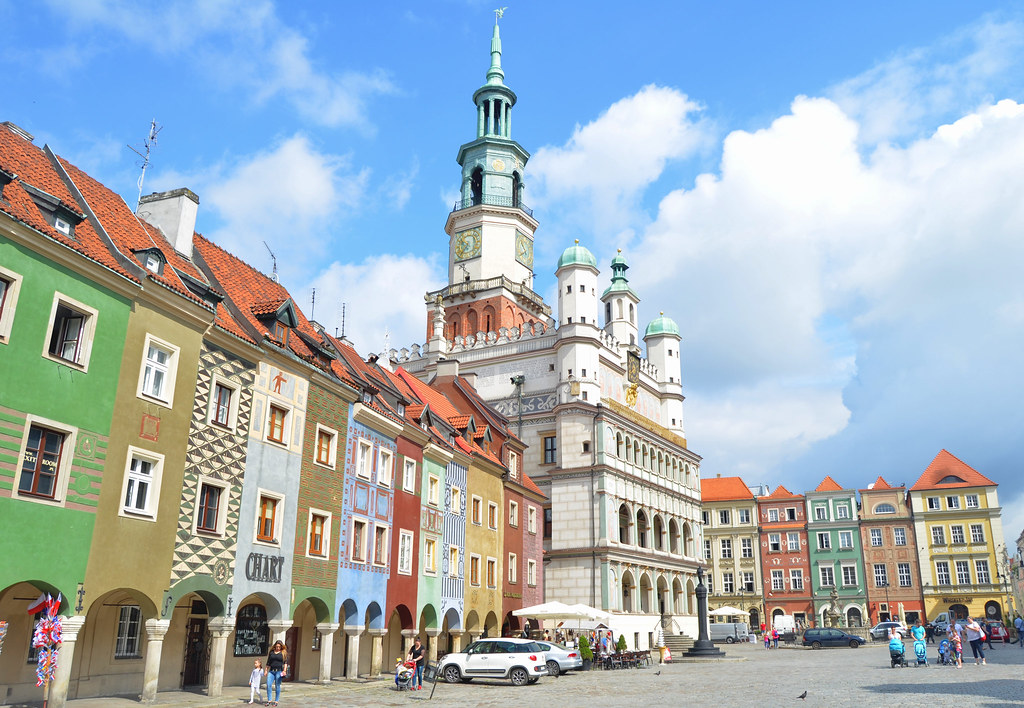
23rd Annual; SIGN UP NOW!
Annual conference of the European Industrial Hemp Association
June 11-12, 2026 | Poznań, Poland.
Second, EIHA will progressively shift from a predominantly regulatory-defensive role toward actively facilitating business development and industrial applications. This includes supporting members in scaling up solutions in construction, textiles, composites, bioplastics, and other industrial uses of hemp. We see a great opportunity for hemp in leveraging the new EU Bioeconomy Strategy and Green Deal framework, positioning industrial hemp as a strategic bio-based resource. By aligning hemp with EU climate, circular economy, and rural development objectives, EIHA can help unlock innovation, funding opportunities, and long-term market growth across Europe.
Finally, a crucial strategic priority is to attract partners and stakeholders from outside the traditional hemp industry. To fully scale hemp applications, we must actively engage with non-hemp associations, large industrial players, architects, construction companies, textile manufacturers, chemical producers, and brand owners who may not yet see hemp as part of their value chains. EIHA can act as a bridge between the hemp sector and these industries by providing technical knowledge, regulatory clarity, and access to reliable supply chains. By integrating hemp-derived materials into mainstream industrial and commercial models, we can accelerate market adoption, increase demand, and move hemp from a niche sector to a truly strategic component of Europe’s bio-based economy.
Together, these priorities will ensure continuity, stability, and a clear transition toward a mature, competitive, and sustainable European hemp industry.
HT: What role can EIHA play in restoring investor confidence after recent market turbulence?
JK: EIHA is, and has always been, governed by meritocracy. Our communication is rather conservative and will remain so. We take public positions only when we have evidence and certainty. We pride ourselves on a science-based approach that is critical to our long-term credibility. Confidence — especially among investors and markets — is earned through integrity, clarity, and consistency. I am confident that if we follow those principles as an association and as an industry, trust will return. We already see this, as more and more industrial projects receive funding and are being launched in Europe.
HT: Regulation remains fragmented across Europe. Where do you see the most urgent need for harmonization?
JK: Certainly in flowers and cannabinoids. We have urged regulators to act on this for at least seven years. We have achieved significant milestones, with the most important being the establishment of THC limits in food products, but the main struggle continues. Our work through the EIHA Novel Food Consortium delivered scientific evidence for the safety of CBD as a food supplement, but we still need regulators to recognize this in a harmonized way across Europe.
HT: How should EIHA engage with EU institutions to ensure hemp is treated as an agricultural and industrial crop, not a drug?
JK: I believe we have already achieved that with EU institutions. Francesco and our team in Brussels have done titanic work over the past few years. EIHA is recognized by the European Commission and is consulted on all topics related to hemp. We have direct personal contacts with all relevant stakeholders at the EU level and are recognized for what we are — a pan-European association representing farmers and entrepreneurs trading hemp, a key crop central to the EU Bioeconomy Strategy.
Now we need to build more competence at the member-state level, which we continue to do every day.
HT: How can EIHA better support smaller processors and farmers across member states?
JK: EIHA is a center of excellence in European hemp. We cover the whole value chain across all business segments. Our members include, among others, producers of farming equipment and machinery; processors of seed, flowers, stalks, fibers, and shives; and traders of all hemp-related products. Whatever business need related to hemp a processor may have, regardless of size, EIHA can provide guidance or connect them with other members who could be of assistance. This is a great value that I feel is still not fully exploited by EIHA and its members. I encourage everyone to join EIHA, especially for its unique knowledge and ability to provide connections to verified partners in the hemp sector.
HT: Looking back at your time building HemPoland, what experience most shaped your leadership approach today?
JK: HemPoland is certainly one of the most significant experiences of my professional life. I joined the company when I was 29 years old. All leaders were more or less my age. We were ambitious, motivated, but also ignorant and arrogant. To some extent, our ignorance helped us succeed. We could not see some of the consequences and issues ahead, which helped us make bolder decisions and outperform our competition in the short term. At our peak, we had approximately 80 employees and struggled to manage that success.
Our ignorance slowly caught up with us, though we did not realize it at the time. We were running ahead of the consequences of past organizational mistakes. I do not know what would have happened if we had had to face them directly. We sold the company in 2018 and bragged about our success. In retrospect, I value highly what we achieved, but I also know it was not sustainable. We were not built to last.
I approach things differently now, having had that experience. My work and approach are more balanced. I ask more questions, consult experts, and recruit people with other competencies to complement my own. I am more confident, less stressed, and I understand my chances and risks much better. When I make bold decisions now, I understand their rationale and motivation much more clearly.
HT: How has your transition from finance and banking to hemp entrepreneurship influenced how you approach this role?
JK: My previous experiences are very relevant to how I approach new challenges. I tend to be reflective and philosophical. My early work in banking taught me a great deal. Corporate work teaches structure and communication. I had the opportunity to work directly with boards and executives at one of the largest banking groups in Europe. I prepared data, information, and narratives for decision-making at the highest level. All decisions had to be well structured, motivated, and clearly explained. This required alignment among the often conflicting interests of different executives, and helping to achieve that alignment was part of my role.
That experience helps greatly in association work. We make decisions collectively and work in alignment with the board and our membership. The ability to view decisions through the right data, explain them clearly, and bring others into alignment is crucial for the success of an organization that relies on collective efforts.