
The Indian state of Himachal Pradesh is moving ahead with plans to regulate farming for industrial and medicinal cannabis, with rules for licensing expected soon and a phased rollout planned, according to the government.
Speaking in Shimla following a state-sponsored workshop and product exhibition, Revenue, Horticulture and Tribal Development Minister Jagat Singh Negi said the licensing process will prioritize industrial hemp and marijuana growing strictly for medical uses.
“The government is committed to creating a prosperous, drug-free Himachal,” Negi said. “Cannabis grown for medical and industrial use is not for intoxication—it is for healing and industry.”
Not the wild variety
Negi emphasized the difference between wild-growing cannabis—commonly seen in the region—and the controlled, low-THC hemp that will be permitted under the state’s legal framework. “There is a false perception among people that cannabis is only a narcotic substance. Cannabis cultivation carried out for industrial or medicinal purposes is completely free from narcotic substances,” he said.
“Drug-free cannabis can become a sustainable economic option for farmers, not a source of addiction,” Negi added.
Negi made the remarks after inaugurating a public seminar and product showcase at the Gaiety Theatre, where entrepreneurs from Himachal and other states exhibited hemp-based foods, medicines, textiles, and cosmetics. The event highlighted the state’s ambition to support rural entrepreneurship while promoting environmentally sustainable crops.
Policy foundation in place
In January 2025, the state cabinet approved a pilot study on cannabis cultivation, jointly assigned to the Chaudhary Sarwan Kumar Himachal Pradesh Agriculture University in Palampur and Dr. YS Parmar University of Horticulture and Forestry in Nauni. The research will help identify suitable strains, best practices, and economic pathways for the sector.
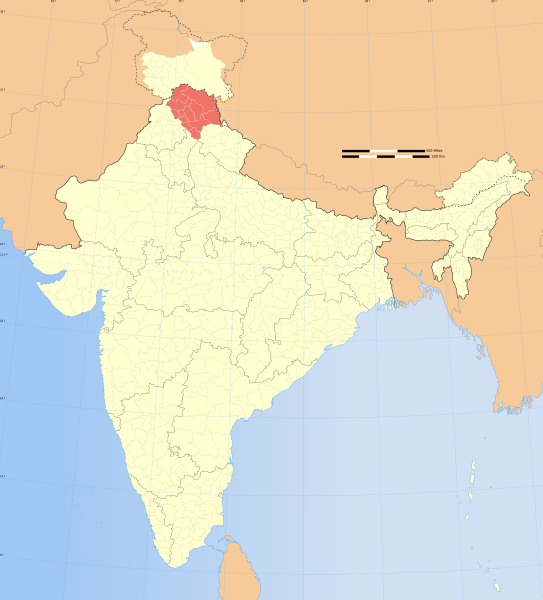
The state’s agriculture department, which is overseeing the effort, is expected to deliver a full report within six months. The pilot was authorized following a 2024 resolution in the Himachal Pradesh Assembly that amended the state’s narcotics rules to legalize cannabis cultivation for industrial and medicinal uses.
Negi, who chaired the legislative committee behind the resolution, said the team conducted visits to all districts of the state and met with residents to explain the plan. “We visited several states like Uttarakhand, Madhya Pradesh, and Jammu and Kashmir to study existing hemp models and assess the legal and economic frameworks,” he said.
Farmers, contracts, security
Under the state’s proposal, farmers will be allowed to grow hemp either independently or via contract farming. Production of medical cannabis will be tightly regulated, with requirements for 24-hour CCTV surveillance and geo-tagging of licensed facilities to prevent diversion into illegal channels.
Standard operating procedures will govern cultivation, transport, and processing, and all cultivation must adhere to India’s 0.3% THC threshold for industrial hemp.
“We expect farmers to get good returns per bigha from industrial hemp,” Negi said. “It will open avenues in agriculture, health, and green industries.”
The framework includes plans to create a state agency to oversee cannabis cultivation, establish seed banks in partnership with universities, and attract private investment. Chief Minister Sukhvinder Singh Sukhu earlier said interest from companies working in textiles, bio-composites, pharmaceuticals, and eco-construction materials is already growing.
Himachal’s diverse agro-climatic conditions make it well-suited for high-value specialty crops. Cannabis, according to the state committee, offers not only income potential but also environmental advantages: improved soil health, lower reliance on synthetic inputs, and reduced carbon intensity.
Challenges remain
Still, challenges remain. Access to certified seeds is limited, and technical know-how in processing and product development is still emerging in India. Neighboring Uttarakhand, which pioneered industrial hemp legalization, has struggled with regulatory bottlenecks and weak market links.
Negi acknowledged these obstacles but said Himachal plans to “learn from those missteps” by enforcing strong oversight and partnering closely with agricultural and horticultural research institutions.