

The tiny island nation of Vanuatu is moving to finally activate its long-stalled hemp and medical marijuana industries through a new bill now before Parliament that would allow banks to work with licensed operators.
Lawmakers were expected to open debate this week on legislation that would amend the Industrial Hemp and Medical Cannabis Act of 2021. While that legislation legalized the cultivation, manufacture, and export of both industrial hemp and medical cannabis under license, the system has been paralyzed because local banks have refused to open accounts or process payments for license-holders.
Without a clear legal mandate permitting financial institutions to handle funds related to hemp or cannabis, investors and producers have been unable to start operations despite holding valid licenses.
Addressing bottleneck
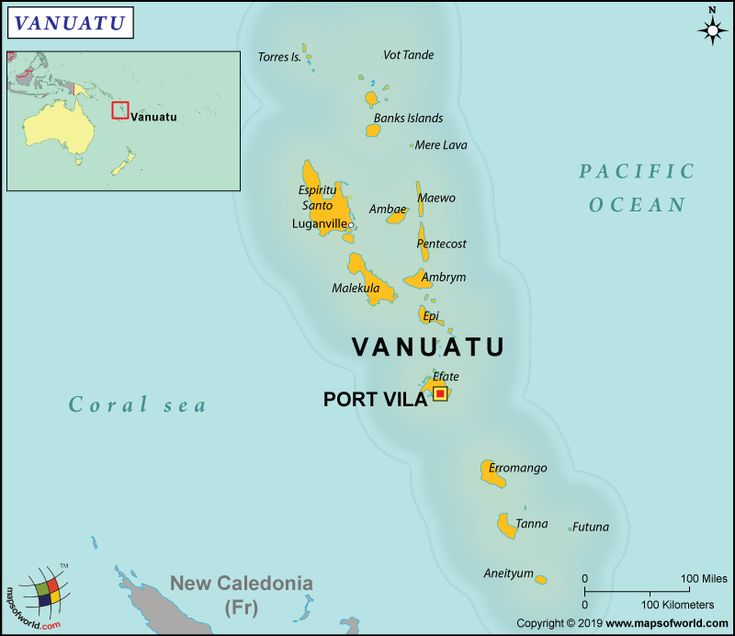
The amendment is designed to remove that bottleneck and make the law operational across the Y-shaped archipelago of 82 islands situated between the Solomon Islands to the north and New Caledonia to the south. It is one of 19 bills under discussion this term.
Vanuatu’s 2021 law placed the country among the first in the Pacific to legalize the hemp and medical marijuana sectors simultaneously. The government issued 10-year licenses—two for medical cannabis and three for industrial hemp—and designated cultivation zones across islands such as Efate, Santo, Malekula, Tanna, and Erromango.
Officials have promoted the program as a pathway to diversify the economy, attract responsible foreign investment, and develop new export industries alongside traditional pillars like tourism, copra, and kava.
Farming legacy
Agriculture remains the backbone of Vanuatu’s economy, employing roughly two-thirds of the population. Smallholder farms dominate production, with most rural households engaged in mixed cropping of coconuts, kava, root vegetables, and fruit trees. The government has long sought to diversify its export base by adding higher-value crops.
Industrial hemp, with its potential in textiles, food, building materials, and cosmetics, fits squarely within that strategy. Officials see it as a crop that could be grown in rotation with existing staples, processed locally, and marketed internationally to generate rural income and stimulate investment in agricultural infrastructure.
Implementation of the 2021 framework has lagged amid practical and social concerns. Beyond banking issues, local agricultural officers have voiced unease about theft, misuse, and the challenges of monitoring cannabis production across scattered islands. Nonetheless, the government continues to see the dual-license system as a way to regulate and professionalize the two cannabis sectors.