
Belgian researchers and companies are increasingly turning to industrial hemp as a potential tool in the battle against PFAS contamination, with early field trials showing encouraging results in the Province of Antwerp.
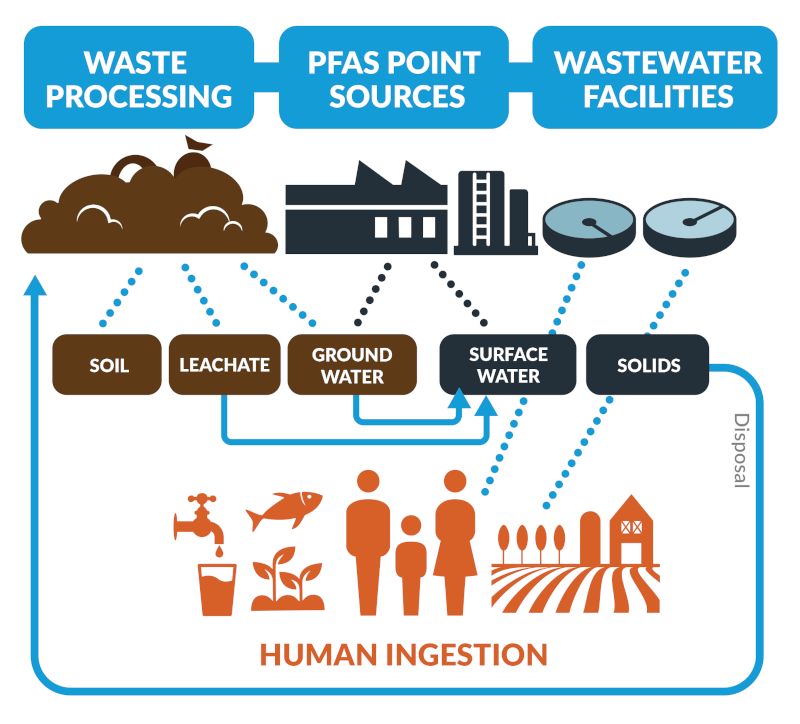
PFAS (per- and polyfluoroalkyl substances) are a persistent group of toxic chemicals used in products ranging from nonstick cookware to cosmetics and waterproof clothing. Because they do not break down in nature, PFAS have become a global environmental concern, contaminating soil, water, air, and wildlife. In Antwerp, efforts are centered around historic pollution by a 3M factory, regulatory failure, and recent construction projects that have focused attention on the problem.
Fire site trials
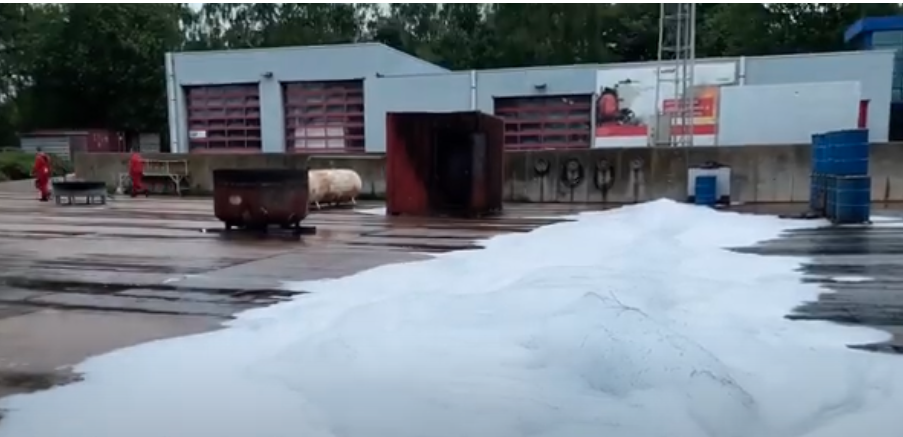
At Campus Vesta, a firefighter training center in Ranst, Province of Antwerp, a late 2024 pilot showed that planting hemp could significantly reduce PFAS levels in contaminated soil. Within just three months, one cultivation cycle lowered PFAS concentrations by 67%, bringing most plots below Flemish legal thresholds. The project used soil additives to enhance uptake, and analysis found PFAS levels in hemp leaves up to 27 times higher than in the surrounding soil. No PFAS were detected in groundwater, suggesting the contamination was effectively contained in the topsoil.
The project was described by local officials as a “milestone for our province” and is now being watched closely as a scalable, eco-friendly solution for remediating toxic sites.
In a parallel initiative, C-Biotech, a unit of the Cordeel Group, also tested hemp at a contaminated fire training site in Antwerp Province during 2024. With the help of undisclosed soil amendments, the company claims to have achieved a 70% reduction in PFAS levels. Hemp planted at the site absorbed large amounts of the pollutants, with plant tissue samples showing PFAS concentrations 20 times higher than those found in groundwater.
How PFAS reach humans
Broader applications
While hemp is showing significant potential for PFAS extraction, Belgian researchers are also studying its role in managing heavy metal pollution. At UCLouvain, researchers exploring how hemp stabilizes toxic metals in the soil through phytostabilization said hemp reduces the dispersion of the heavy metals.
According to Cécile Nouet of the University of Liège, who is observing the trend on behalf of European Union’s Waste2Bio program, the rush of companies entering the PFAS cleanup space warrants caution. “We have to be vigilant with regard to the announcements,” Nouet said. “There are areas of research on the degradation of molecules and another area of immobilization of pollutants with biological or physicochemical methods.”
Several projects were reviewed during a June 10 forum in Gembloux that brought together scientists, companies, and public-sector stakeholders to discuss the use of hemp in remediating polluted soils, particularly at sites contaminated by firefighting foam.
The meeting, held under Waste2Bio and supported by the Belgian biomaterials agency Valbiom, highlighted the growing momentum behind phytoremediation strategies using hemp. Presentations focused on the chemical’s dangers, recent trial data, and hemp’s ability to extract or stabilize pollutants in soil.
What are PFAS?
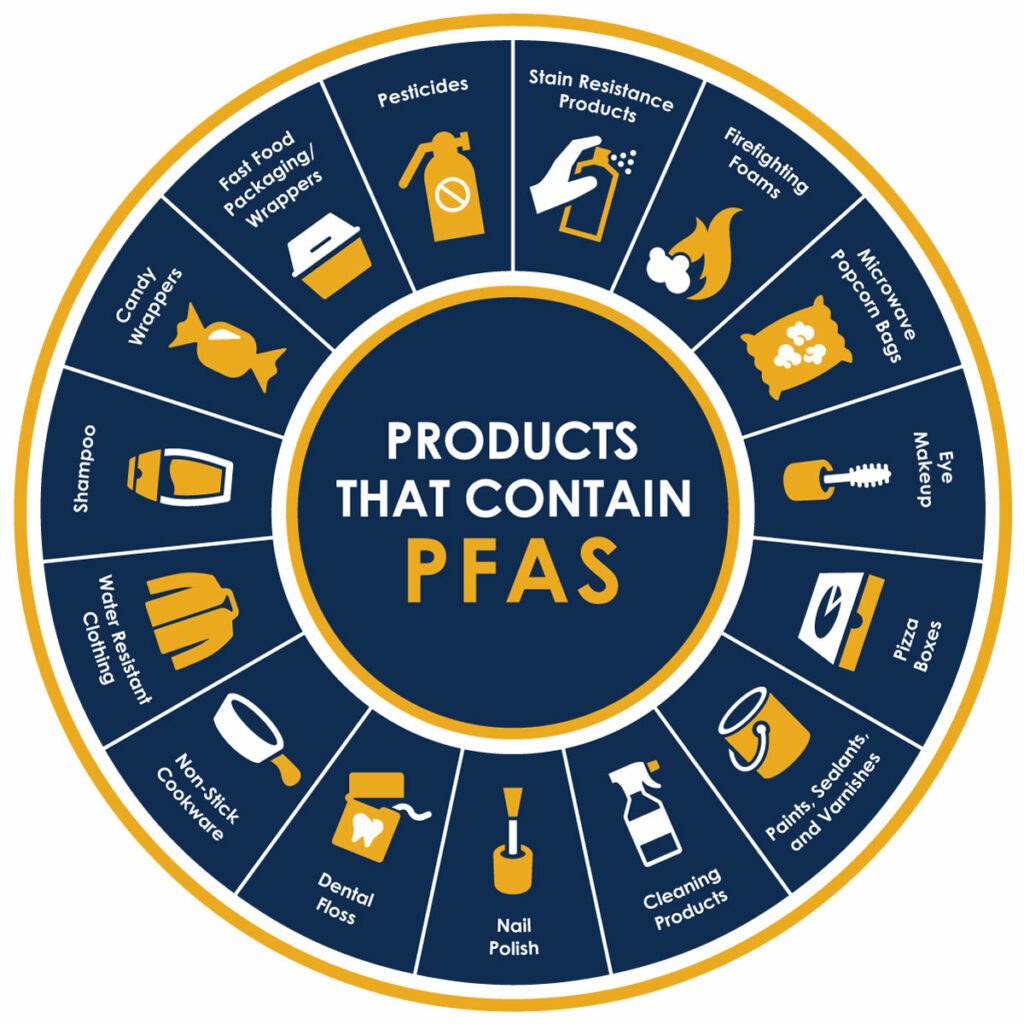
Because they do not break down in nature, PFAS have drawn scrutiny by environmental and health agencies. The toxic substances, found in water, air, fish and soil in many parts of the world, have been used since the 1950s to make a wide variety of consumer products including “Teflon” nonstick pans, fast food wrappers, water-resistant clothing and carpeting, and in personal care products such as waterproof mascaras and eyeliners, sunscreen, shampoo and shaving cream.
3M cleanup project
Perhaps the most ambitious project in Belgium is a PFAS remediation initiative backed by industrial giant 3M, which partnered with entrepreneur Frederik Verstraete to test hemp as an alternative to traditional cleanup methods like soil excavation and incineration. The pilot, conducted on fields contaminated with PFAS near Antwerp, showed hemp could extract harmful chemicals from topsoil and help purify polluted groundwater. 3M, facing mounting legal and public scrutiny over its historic PFAS production, is funding further large-scale hemp planting trials. The company said it is also in discussions with the Belgian government over additional environmental cleanup investments.
3M manufactured PFAS chemicals for decades and has been embroiled in lawsuits and scandals globally, including in Belgium, where a tunnel project near its Antwerp facility uncovered high levels of toxins in soil, water, and residents. The company has settled PFAS-related cases totaling $123 million in the U.S., but analysts estimate liabilities could reach $30 billion. Verstraete said future efforts will explore not only the environmental impact of hemp remediation but also whether the harvested straw can be safely converted into building materials like hempcrete. Research from Italy has shown this dual-use model may be viable in heavy metal-contaminated sites, though more studies are needed to confirm safe downstream use of hemp grown in PFAS-polluted environments.
University researchers in the Antwerp port village of Lillo are also testing the potential of hemp growing for remediation of soil contaminated with PFAS, also from firefighting foam. The village plans to eventually build a new fire station on the site.
EU framework support
The Gembloux event was organized under Waste2Bio, part of the EU’s Horizon Europe research and innovation framework. Waste2Bio supports the development of high-value bio-based products from agricultural and food-processing waste, while advancing circular economy principles. By backing hemp-based remediation research, the program aims to accelerate climate-smart technologies and provide tools to manage Europe’s contaminated landscapes.
As PFAS regulation tightens across Europe, Belgium’s hemp trials may help define practical, affordable, and scalable solutions—rooted not in chemical incineration, but in sustainable agriculture.