
Brazil’s health regulator has finally approved regulations that begin to turn years of legal pressure and policy delay into a working framework for hemp-derived cannabidiol (CBD) in the country.
The National Health Surveillance Agency (Anvisa) recently set rules that expand access to medical CBD products and begin to define how tightly supervised cultivation and extraction could take place inside the country.
For hemp, the decision marks a shift from a system built mainly on imports toward one that could eventually support controlled domestic production.
Access expands
One of the most immediate changes is that compounding pharmacies will be able to dispense CBD-based products through individualized prescriptions. That creates a new channel for patient access and should increase demand for regulated CBD inputs and standardized extracts.
Anvisa also broadened the approved ways patients can use these products, including through the skin and under the tongue, in addition to the oral and inhaled forms already allowed. The agency stressed that non-medical CBD applications remain illegal, keeping the framework focused on health treatment and oversight.
Controlled growing
The package also introduces cultivation standards for companies and patient associations, the first time Brazil has issued national rules for larger-scale domestic production tied to medical and scientific use.
Pharmaceutical and research companies will be allowed to cultivate plants with THC levels of up to 0.3%, under strict authorization, security controls, and full traceability from seed to final product. Patient associations will not receive open cultivation rights, but may be included through future public calls under a limited “controlled testing” or sandbox approach.
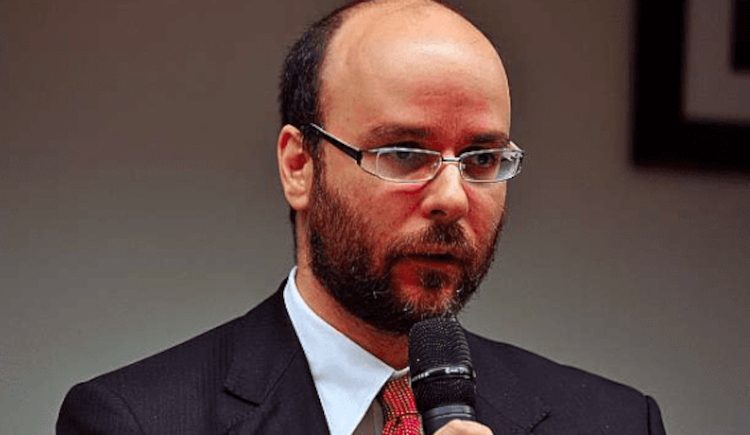
Anvisa President Leandro Safatle said the agency could no longer ignore the role patient associations have played in Brazil’s medical cannabis system. He noted that these groups stepped in where both the state and the private market fell short, providing access for thousands of patients. The new rules, he said, are meant to bring associations into a clearer legal framework.
Industry impact
The business implications are substantial, but the outcome will depend on how the rules are carried out.
Brazil’s medical CBD market has expanded quickly, driven mostly by imported products and narrow legal pathways. Domestic cultivation could lower costs over time, reduce dependence on foreign supply, and support Brazilian pharmaceutical-grade CBD manufacturing.
However, the compliance demands described — monitored growing areas, 24-hour security, and strict oversight — could restrict participation to well-capitalized companies and a small number of approved associations.
The next developments will hinge on implementation: how quickly Anvisa issues operating criteria, how many authorizations are granted, and whether the sandbox model grows beyond a pilot phase.
Competition has already intensified in Brazil’s medical CBD market, with companies cutting prices to win market share.
What still missing
Despite the breakthrough, major gaps remain for hemp.
The framework is aimed at medical and pharmaceutical supply, not broad industrial hemp uses such as fiber, grain, or general consumer markets.
Cultivation is tied to heavy monitoring, and the early phases are time-limited, suggesting Brazil is still testing regulatory structures rather than opening a full hemp economy.
Another open question is whether Brazil will eventually raise its THC ceiling above 0.3%.
Brazil’s agricultural research agency Embrapa has argued that a 1.0% THC threshold would be necessary for Brazil to compete internationally and make CBD production more economically viable.
Legal backdrop
The decision follows a long stretch of regulatory uncertainty shaped by court intervention.
In late 2024, Brazil’s Superior Court of Justice ruled that cannabis varieties with negligible THC levels should not be treated the same as drug-type cannabis under Brazil’s Drug Law, ordering regulators to establish a framework for medical production.
In 2025, Anvisa repeatedly postponed hemp rulemaking even under court deadlines, leaving companies and patient associations without a clear domestic production pathway.
The court later extended the deadline again, pushing the timeline for a final cultivation framework into this year.