
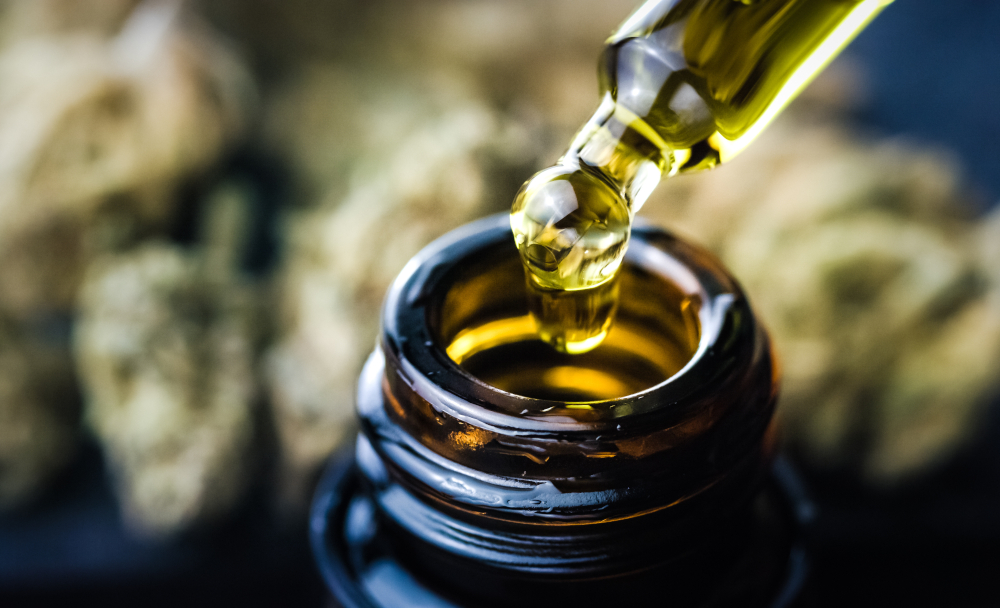
Brazil’s fast-growing $40-million medical-only CBD market has entered a new phase: aggressive price cuts that are reshaping competition among leading producers.
Prati-Donaduzzi, one of Brazil’s largest pharmaceutical manufacturers based in Toledo, Paraná, moved first in early July, reducing the prices of three CBD concentrations by up to 40 percent. U.S. operator Ease Labs followed later in the month, cutting prices for its entire line of products in Brazil by the same margin. The Charlotte, North Carolina-based company reduced its 30ml unit from roughly $208 to about $125. The price of a 10ml bottle dropped from $74.50 to $47.
For both companies, the strategy is straightforward: accept thinner margins in order to grow volume, lock in physician confidence, and make products more affordable for patients.
Strong growth, persistent barriers
Despite high prices, Brazil’s CBD market is expanding quickly. Close-Up International, a Brazilian consulting firm that tracks pharmaceutical sales, reported that CBD products grew 41.2 percent in April 2025 compared to the same period the previous year.
Close-Up separates CBD medicines based on isolate from broader “cannabis extract” formulations registered with ANVISA. Medical CBD isolate products represented 52 percent of the total, rising 31.1 percent year-on-year. “Cannabis extract” products made up the other 48 percent, increasing at an even faster rate of 63.8 percent.
Survey data from Kaya Mind, a São Paulo-based cannabis research and intelligence company, show that the number of medical cannabis patients increased by 56 percent from 2023 to 2024, reaching roughly 672,000. Yet affordability remains the main obstacle to treatment, underscoring the significance of the recent price cuts.
In Close-Up’s March 2025 ranking of CBD companies, Prati-Donaduzzi, Greencare, and Hypera Pharma led the field of “cannabis extract” producers, followed by Ease Labs and Biolab Corp. Ease Labs recorded the second-highest growth rate, expanding 191.1 percent during the period.
Observers say vertically integrated production models—covering cultivation, extraction, formulation, and distribution—have enabled cost reductions and may become a broader industry trend.
Jazz not part of the fight
Absent from this pricing shake-up is Jazz Pharmaceuticals, the Ireland-based company that acquired GW Pharmaceuticals in 2021 and markets the epilepsy drug Epidiolex. Jazz entered Brazil in 2019 under existing regulations and sells Epidiolex as a high-concentration CBD medicine for severe seizure disorders.
The reason Jazz has not joined the price war is simple: it competes in a different category, where it is the only licensed player. Epidiolex is a fully registered pharmaceutical, protected by patents and backed by clinical trials. It is prescribed for narrow indications and follows the same regulatory path as any new drug, with pricing tied to conventional pharmaceutical economics rather than to the competitive pressures facing domestic cannabis products. Market estimates are not available for sales of such specialized products, and Jazz does not disclose Brazil-specific sales.
Two categories for CBD
Brazil’s legal framework explains this divergence. Neither recreational nor medical marijuana is legal. There are two legal categories for hemp-derived cannabinoids. One covers registered medicines such as Epidiolex, which require full clinical trials, ANVISA registration, and are generally reserved for severe conditions. The other category allows “cannabis products for medicinal purposes” to be manufactured domestically or imported and sold in pharmacies by prescription. These products do not need full pharmaceutical registration but must comply with standards for quality, safety, and labeling.
It is under the second category that Prati-Donaduzzi, Ease Labs, and other Brazilian companies have launched their products, sparking the current price competition. Jazz remains insulated in the first category, focused on a premium, specialty niche.
Signals from price war
The recent price cuts reveal how Brazil’s CBD sector is evolving. As production of the raw CBD ingredient and finished packaging becomes more efficient, companies can reduce costs and lower prices. This means producers have adjusted their goals to reach higher sales volumes rather than high per-unit margins.
The message of affordability also resonates with regulators and physicians. By presenting price cuts as a way to expand access, companies gain credibility and position themselves as partners in public health.
Whether other producers follow with further price reductions will be the next test of how sustainable Brazil’s CBD boom can be. For now, the country stands as an outlier: a large, fast-growing market where regulatory clarity, domestic production, and patient demand are converging, even as much of the world’s CBD industry remains uncertain.
Broader push for hemp
As the two regulated CBD categories are likely to continue growing, observers expect the pace to be gradual, limited by cost, prescription requirements, and regulatory hurdles. Hemp stakeholders are therefore pressing for broader rules that would allow the crop to reach its potential in textiles, food, construction, and bioplastics.
They warn that if Brazil restricts cultivation solely to pharmaceutical production, the opportunities will be narrow and delayed, leaving the country behind peers such as Uruguay and Colombia that have embraced wider licensing frameworks.