
A business dispute between two U.S. hemp companies has erupted into allegations of fake wire transfers, unpaid debts, political pressure tactics and threats tied to the collapsing intoxicating hemp and CBD business.
In a court filing submitted May 1, North Carolina hemp company Asterra Labs accused Texas-based MC Nutraceuticals and its founders, Bret and Jeffrey Worley, of using fake wire-transfer confirmations while more than $1.5 million allegedly owed to Asterra went unpaid. The filing was submitted in federal court as part of Asterra’s effort to keep its counterclaims alive against MC’s attempt to dismiss them.
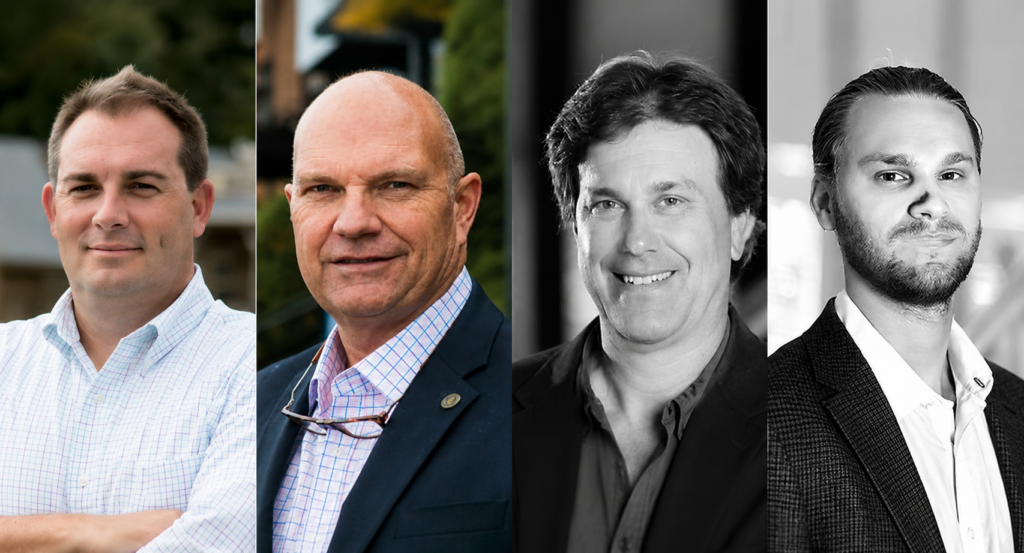
The allegations by Asterra are in response to a suit filed by MC that exposed deep ties between hemp businesses and North Carolina political circles. In it, MC accused Asterra principals — including state Rep. John Bell and Rise Capital founder Harry Smith — of threats, intimidation, and political pressure after disputes emerged over the alleged debt owed to Asterra.
Business & politics
Asterra Labs became part of North Carolina’s rapidly expanding intoxicating-hemp sector, which remained largely unregulated through 2025. Bell has faced criticism for bottling up reform bills in the state legislature because of his industry ties. He denies any conflict of interest and cites a double standard given several other legislators hold jobs in industries they regulate.
The company is a manufacturer and white-label supplier of hemp-derived intoxicants in gummies, pre-rolls and other THC products. Reporting in late 2025 indicated roughly 60% of the company’s revenue came from white-label products for outside brands, while Asterra also marketed its own “Southern Ease” line of products.
Smith said late last year that Rise planned to sell or close Asterra Labs amid growing federal pressure on intoxicating hemp products, though the company’s current operating status is unclear.
‘Ponzi-like’
Asterra and Rise Capital later countersued MC, accusing the Texas company of fraud, racketeering and operating what they described as a “Ponzi-like” business model. According to their filing, MC failed to meet financial obligations, misrepresented products and attempted to poach Asterra staff.
The filing argues Asterra has “more than enough” evidence to support its claims and urged the federal court not to dismiss the case.
The fake wire-transfer allegations emerged in Asterra’s counterclaims and subsequent filings responding to MC’s lawsuit.
Political web
The case has drawn attention not only because of the money involved but also because it’s swirling within North Carolina’s political orbit, turning the lawsuit into a collision among hemp money, state power and the remnants of the CBD gold rush.
Asterra Labs’ Bell is chairman of the powerful House Rules Committee and one of the state legislature’s most influential Republicans. He has simultaneously positioned himself as a leading advocate for hemp regulation while running a hemp company at the center of the dispute.
Rise Capital’s Smith is former chairman of the University of North Carolina Board of Governors and a once-powerful Republican figure whose relationship with state Senate leadership later deteriorated.
Alicia Jurney, the Raleigh attorney representing Asterra and Rise Capital, has handled several high-profile politically connected cases in North Carolina in recent years.
MC’s attorney, Jonah Garson, is first vice chair of the North Carolina Democratic Party.
Trump ties?
The dispute grew out of a partnership formed in late 2024 between MC and Asterra against the backdrop of North Carolina’s loosely regulated hemp cannabinoid market, which Bell himself previously described as the “Wild, Wild West.”
Asterra supplied products while MC handled sales and distribution. MC then allegedly fell behind on payments owed for inventory and related business obligations.
According to MC’s original complaint, the Texas company agreed to help Asterra grow its hemp-products business by supplying distribution, marketing and access to MC’s established customer network. MC said it believed Asterra’s political connections through Bell and Smith could also help the partnership succeed.
Meanwhile, MC founder Bret Worley allegedly claimed ties to President Donald Trump through a personal relationship involving the daughter of Trump’s chief of staff, and suggested he could leverage those connections inside the administration, according to correspondence cited by The Assembly and Axios Raleigh.
$1.5 million in balance
By mid-2025, the unpaid balance had reportedly grown to more than $1.5 million.
Asterra strongly disputed MC’s portrayal of the partnership, arguing MC — not Asterra — was already financially unstable before the companies joined forces.
Asterra attorney Jurney later said MC had allegedly been operating under negative cash flow for months and argued Asterra would never have entered the deal had it known MC was already under scrutiny from Colorado regulators.
Colorado case
That reference pointed to a previous Colorado attorney general investigation in which MC agreed to pay $50,000 to settle allegations it misrepresented the source, ingredients and characteristics of certain hemp products. MC denied wrongdoing in the case but was barred from selling cannabis products in Colorado.
The dispute intensified after MC allegedly missed payments to Asterra exceeding $1 million around Memorial Day 2025.
Documents cited in earlier reporting showed the Worleys agreeing in writing to make daily $50,000 payments to Asterra while attempting to cure the debt. The relationship collapsed days later.
Threats escalate
According to screenshots published previously by The Assembly and Axios Raleigh in the North Carolina case, Smith warned Jeffrey Worley in one text message that he intended “to put you and your son in jail.” Worley’s son Bret Worley is a partner in MC.
In another message, Rise Capital’s Smith allegedly wrote: “Pay us or go to prison right here in the great state of NC Jeff,” and said he was “beyond confidant [sic]” the Worleys would be convicted of felonies.
MC also accused Bell and Smith of attempting to use political influence and intimidation tied to their North Carolina connections. Yet previous reporting noted that court filings themselves did not appear to directly substantiate the most explosive claims that Bell personally threatened to use his government position against MC.
MC faces bank lawsuit
In a separate case, North Carolina-based First-Citizens Bank & Trust Co. sued MC Nutraceuticals, the Worleys and related entities in federal court in Texas, alleging they failed to repay roughly $1 million under a 2023 loan agreement.
MC Nutraceuticals, founded by the Worleys after passage of the 2018 Farm Bill, built its business supplying bulk CBD ingredients before pivoting into intoxicating hemp-derived compounds such as delta-8 THC, HHC and THCa as the CBD market collapsed.