
Two states have hit flashpoints over products that contain hemp-derived intoxicating substances, underscoring ongoing tensions between regulatory oversight and booming trade in synthetic products that many consider to be unsafe.
Illinois Gov. JB Pritzker has called for strict regulations while stakeholders in Tennessee were in court yesterday seeking to halt rules that will go into effect at the end of the year.
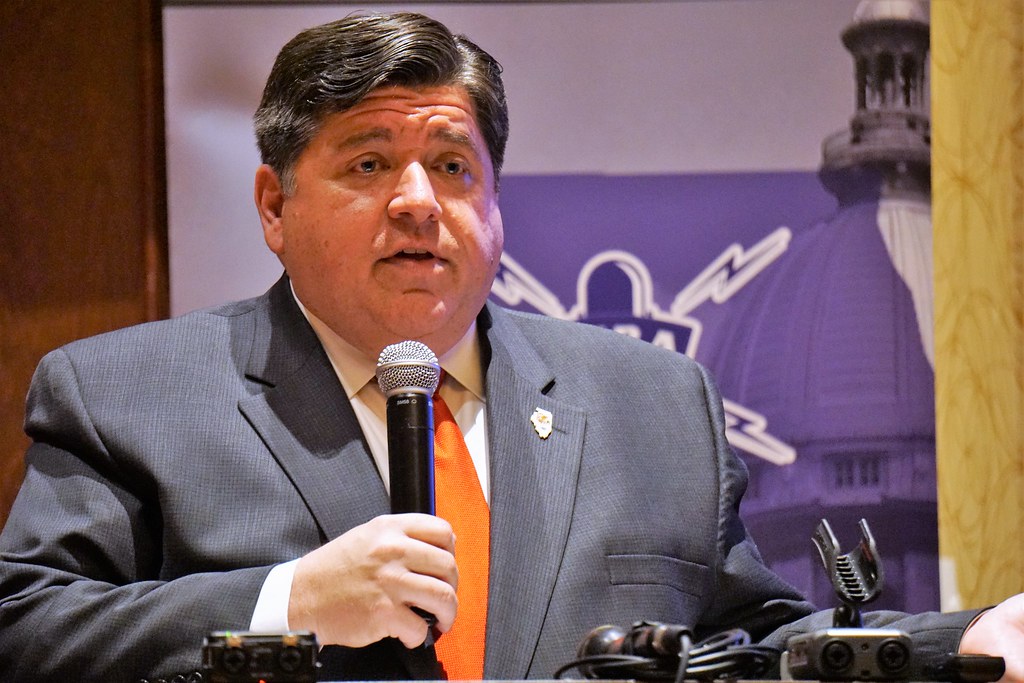
At a press conference last week, Pritztker citing concerns over the accessibility of the hemp-derived intoxicants to minors, and their unregulated nature. Speaking in Chicago, Pritzker said the rise of products containing substances like delta-8 THC—marketed deceptively and widely available—poses serious risks to public safety.
“These products have an intoxicating effect, often to dangerous levels. They’re untested, unregulated, and widely accessible to young people,” Pritzker said. He expressed concern that the hemp industry’s evolution from industrial and wellness uses to recreational intoxicants has far outpaced the existing regulatory framework.
Illinois bill
Pritzker’s remarks come as Illinois lawmakers consider House Bill 4293, which would impose THC limits on hemp-derived products, regulate advertising, and restrict their manufacture and sale to licensed businesses. The bill has already passed the state Senate but awaits action in the House.
Tiffany Chappell Ingram, executive director of the Cannabis Business Association of Illinois, a mariujuana group, supports the bill, emphasizing the importance of consumer protection. “We applaud Gov. JB Pritzker’s call to protect consumers and rein in the gray market,” Ingram said.
Licensed marijuana sellers in many states have said the unregulated hemp intoxicants represent unfair competition because they are not under rules and fees that legal dispensaries must pay.
High-stakes in Tennessee
In Tennessee, the battle over intoxicating hemp products has moved to the courtroom. Attorneys representing hemp producers and retailers are in court today seeking an injunction to stop new rules set to take effect Dec. 26.
The rules would ban hemp products containing THCA by testing their combined levels of delta-9 THC and THCA. When heated or smoked, THCA converts into delta-9 THC, making the products effectively illegal under Tennessee’s current marijuana laws.
State officials argue the rules are necessary to close loopholes that have allowed unregulated intoxicating products to flood the market. The Tennessee Growers Association and Tennessee Healthy Alternatives Association are challenging the rules, accusing the agriculture department of overstepping its authority.
Delicate balance
Both Illinois and Tennessee underscore the delicate balance between fostering a growing hemp industry and addressing public safety concerns. Tennessee’s hemp-derived products market is estimated to generate between $280 million and $560 million annually, making the stakes particularly high for businesses, farmers, and consumers.
In Illinois, Pritzker framed the regulatory push as a way to ensure industry sustainability. “We support the hemp industry. This is not an effort to bash the hemp industry. We want it to thrive and continue evolving,” he said.
Tennessee growers argue that the rules would unfairly target a legal product that forms a core part of their business. “Should these rules take effect, a large share of Tennessee’s hemp-derived cannabinoid market will be rendered illegal overnight,” legal filings warn.
Senate Majority Leader Kimberly Lightford, a Democrat, offered the sober observation: “We are at a pivotal moment for this industry. We need equitable regulations that protect consumers and ensure opportunities within the evolving industry.”
Rise of synthetics
Delta-8 and other hemp-based, synthetic psychoactive compounds, all of which are synthetic in nature, started being popularized after passage of the 2018 Farm Bill, which failed to anticipate the market for intoxicating downstream products that has developed in the intervening years. In the absence of federal action, states have stepped in, tightly regulating or banning the products.
Producers have argued that because the 2018 Farm Bill made hemp and its downstream products legal, the hemp-derived intoxicants are therefore also legal. But even some in the hemp business have suggested that the Farm Bill never intended hemp to be used to make psychoactive compounds. They say nefarious players are exploiting the landmark bill’s language to sell highly potent synthetic THC products that are often rife with contaminants and inaccurately labeled.
Nationwide problem
In addition to delta-8 THC, hemp-derived HHC, THC-P and THC-O, have proliferated throughout the country, often marketed in packaging that mimics well-known brands of snacks and candy. Many producers and sellers have received warnings from the FDA regarding the safety of their products. FDA said it has received reports of serious adverse events from consumers who suffered “hallucinations, vomiting, tremors, anxiety, dizziness, confusion, and loss of consciousness.” At least one child’s death in Virginia was attributed to delta-8 consumption.
The U.S. Drug Enforcement Administration considers the intoxicating hemp products to be federally illegal. Some states continue to allow the products under a strict interpretation of federal law which legalized industrial hemp and its downstream derivatives. But other court rulings over the past two years have held that legalization of hemp in the 2018 Farm Bill never intended to allow intoxicating psychoactive products, which are made by manipulating hemp-derived CBD in the lab.