
India has approved a synthetic CBD drug for treating mild to moderate anxiety disorders, giving a pharmaceutical-grade cannabinoid a new medical application in one of the world’s largest potential mental health markets.
The Central Drugs Standard Control Organisation (CDSCO), India’s national drug regulator, approved Leiutis Pharmaceuticals’ 150 mg/mL CBD oral solution for use in conjunction with cognitive behavioral therapy. The drug may be prescribed only by psychiatrists.
At 150 milligrams per milliliter, the new drug has a pharmaceutical concentration far above typical wellness CBD oils, which commonly contain roughly 10-50 mg/mL. Leiutis’ formulation is also more concentrated than Epidiolex, the FDA-approved CBD epilepsy drug, which contains 100 mg/mL. Epidiolex, prescribed for severe seizure disorders in children, contains highly purified CBD derived from hemp flowers.
100% Indian
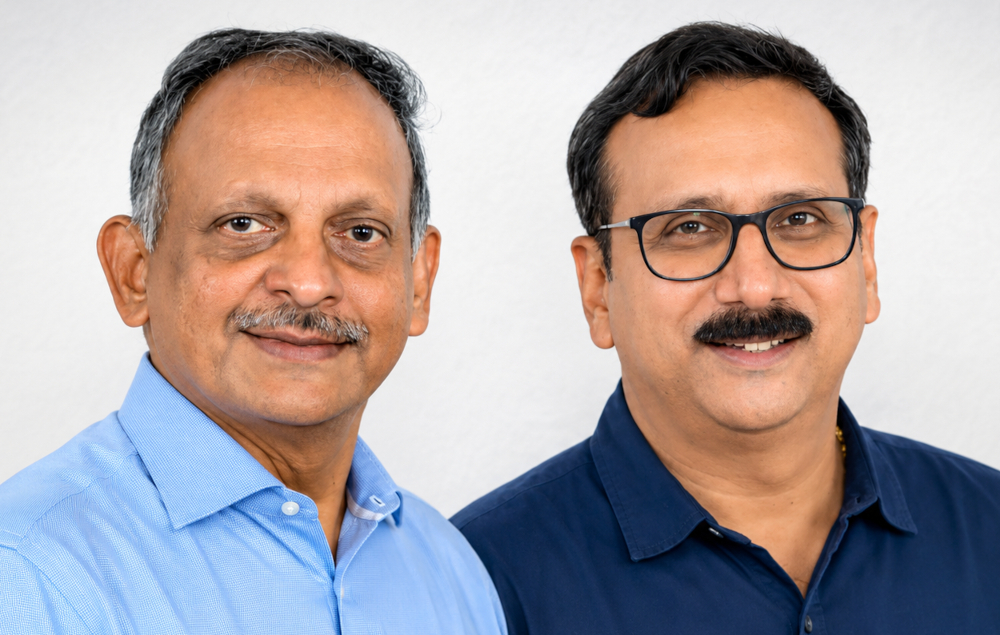
“This approval reflects nearly a decade of dedicated cannabinoid research, encompassing the development of a proprietary synthetic cannabinoid API manufacturing process, innovative drug-delivery technology, and a robust body of preclinical and clinical evidence,” said K. Chandrasekhar, CEO and managing partner of Leiutis.
“Developed entirely in India and protected by patents in key markets, this approval is a significant milestone for our innovation pipeline, paving the way for next-generation cannabinoids,” Chandrasekhar said of the drug, which takes a cannabis-free manufacturing route to arrive at CBD.
Chemically synthesized CBD produces the same cannabidiol molecule as plant-derived CBD. While no more effective, it can offer greater purity and consistency while eliminating variations and other compounds associated with cannabis plants.
Leiutis’ formulation uses CBD developed by Biophore India Pharmaceuticals and Leiutis’ proprietary delivery system designed to improve how the CBD is absorbed by the body. Zenara Pharma manufactures the finished drug. All three companies are based in Hyderabad.
The companies said technical documentation on the synthetic CBD has been submitted to the U.S. Food and Drug Administration, potentially supporting its use in future U.S. drug applications.
Clinical evidence
CDSCO’s decision follows a Phase III trial, the late-stage testing used to establish whether a drug is effective and sufficiently safe for approval in its intended patient population. The results were published in the Asian Journal of Psychiatry in 2024.
The new Leiutis drug is approved specifically for management of mild to moderate anxiety disorders, in conjunction with cognitive behavioral therapy. The approval could address a substantial pool of potential patients. India’s most recent National Mental Health Survey (2015-2016) estimated that 2.57% of adults had a current anxiety disorder, with roughly 60% of those patients experiencing some degree of disability. More than 80% were not receiving treatment.
The synthetic CBD product would enter a field dominated by established treatments, including antidepressants and anti-anxiety drugs, along with psychotherapy. Its commercial prospects will therefore depend on factors including pricing, psychiatrist acceptance, reimbursement and how its effectiveness and safety compare with existing therapies.
Leiutis and its partners must next carry out a Phase IV study — post-approval testing used to evaluate a medicine under broader, real-world conditions and gather additional information about safety and effectiveness. Zenara has said the Phase IV trial will compare the CBD treatment with the existing standard of care.