
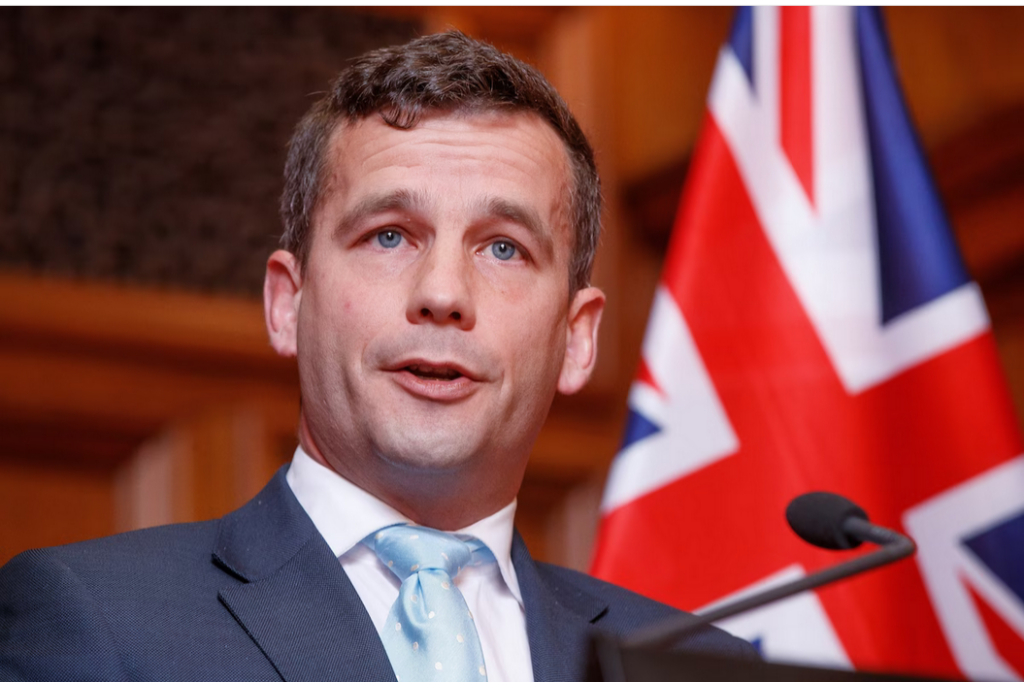
New Zealand’s government has approved a sweeping overhaul of industrial hemp regulations, scrapping the current licensing regime and replacing it with a lighter-touch system designed to reduce costs, unlock investment and align oversight with the crop’s low risk profile. The government set the THC limit for hemp at a full 1.0%.
Regulation Minister David Seymour said the existing rules had imposed disproportionate burdens on a sector producing non-intoxicating agricultural products.
“The current system treats low-THC hemp like high-risk drugs,” Seymour said. “That’s absurd when the crop has long been used for food, oil, fiber and health products.”
Under the new rules, which come after nearly two decades of industry complaints, licenses will no longer be required to grow or handle industrial hemp, provided crops contain less than 1% THC. Growers will instead be required to notify police and the Ministry for Primary Industries before planting. Existing food safety and medicinal cannabis rules will remain in force.
Long-sought shift
The decision follows a regulatory review announced earlier this year by Seymour, who has argued that hemp’s classification under drug legislation reflects outdated assumptions rather than evidence-based risk assessment.
Seymour said the nearly 20-year-old regulations are outdated and burdensome, and have stifled economic growth and innovation in the hemp sector.
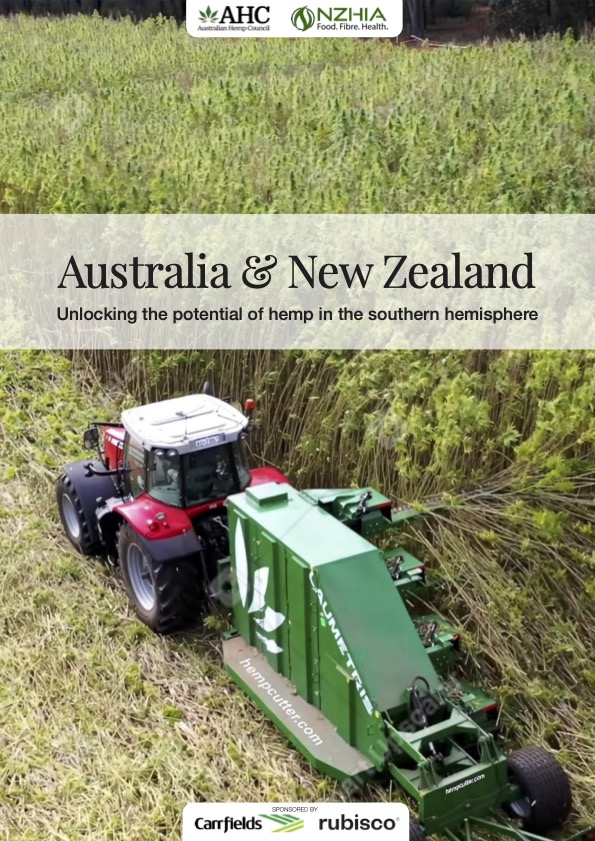
The review was launched following extensive industry feedback, including submissions through the Ministry for Regulation’s red tape tipline and its broader review of agricultural and horticultural product rules.
Industry advocates have long argued that industrial hemp should be regulated as a standard agricultural crop rather than as a controlled substance.
Economic case
Seymour said reducing red tape would give growers and investors greater certainty in a high-cost economy. Government estimates suggest the reforms will deliver a net present value benefit of about NZ$7.5 million (roughly US$4.5 million) over the next 10 years, rising to approximately NZ$41 million (about US$25 million) over 20 years as the market expands and compliance costs fall.
While licenses will be eliminated, safeguards remain. Hemp flowers and leaves may be supplied only to licensed medicinal cannabis producers, and under strict conditions. Oversight responsibilities will remain with existing agencies. CBD is legal but tightly regulated and treated as a prescription medicine rather than a general consumer product in New Zealand.
The shift to a 1.0% THC threshold is significant because it reflects how industrial hemp is actually grown and managed in the field, rather than an arbitrarily low legal line. The 0.3% THC limit used in many countries was never based on safety or intoxication risk but originated from an academic classification in the 1970s, and it leaves growers vulnerable to natural variation caused by genetics, climate and harvest timing.
‘Hot,’ or not
A 1.0% threshold dramatically reduces the risk of crops testing “hot” and being destroyed despite posing no realistic psychoactive risk, while still clearly distinguishing hemp from marijuana. Countries that have adopted higher THC limits argue the approach lowers regulatory risk, improves agronomic stability and encourages investment without increasing public health concerns.
Seymour said the revised framework reflects a more proportionate approach to risk.
“If the Regulatory Standards Act had been in place when these rules were written, the disproportionate costs would have been obvious from the start,” he said.
The Ministry of Health will lead implementation of the new framework, working with the Parliamentary Counsel Office to draft the required regulatory changes.
Industry outlook
Hemp stakeholders have long argued that regulatory reform is essential if New Zealand is to compete in global markets for hemp-based food, fiber, construction materials and wellness products.
The New Zealand Hemp Industries Association has previously projected that, with appropriate policy settings, the sector could generate billions of dollars annually and support tens of thousands of jobs, particularly in rural regions.