
New Zealanders can grow hemp on a small, non-commercial scale under newly liberalized national rules, and the country’s hemp association has launched a seed program aimed at putting the crop into the hands of ordinary citizens.
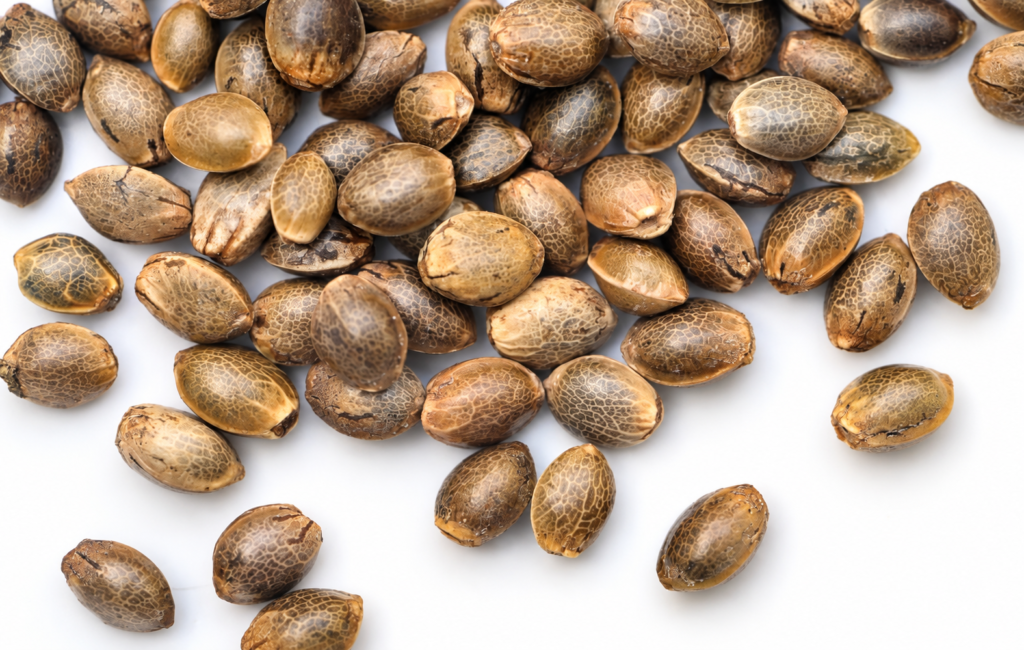
The New Zealand Hemp Industries Association (NZHIA) Seed Project is making hemp planting seeds available to non-commercial growers, along with information intended to help newcomers cultivate hemp responsibly. The program targets stakeholders interested in education and research, as well as those exploring future farming opportunities.
Fiber variety
NZHIA’s project is offering Kompolti, a traditional Hungarian fiber hemp variety that has previously been grown and studied in New Zealand. Kompolti is known for high stem yields and exceptionally high fiber content, typically around 30% to 35%.
New Zealand trials of the variety have produced consistent stem crops, indicating Kompolti can adapt successfully to Southern Hemisphere growing environments. Trials at Massey and Lincoln universities examined factors including planting density, nitrogen requirements, sowing dates, biomass production and stem yields.
Rules changed
The project follows regulatory reforms that took effect May 28, when New Zealand revoked the Misuse of Drugs (Industrial Hemp) Regulations 2006 and replaced the licensing system that had governed hemp cultivation for two decades.
Under the new framework, a license is no longer required to cultivate, possess, process, procure, sell or supply qualifying hemp for permitted purposes. Hemp is defined as Cannabis sativa containing no more than 1.0% THC by dry weight, up from the previous 0.35% threshold.
The reforms also eliminated the government’s list of approved hemp cultivars. Any cannabis cultivar that meets the 1.0% THC limit can qualify as hemp.
Moving on
The changes ended a regulatory system that industry stakeholders had long argued imposed unnecessary costs and discouraged experimentation and commercial development.
The regulatory changes do not amount to unrestricted use of the hemp plant. While stalks and seeds can feed conventional industrial and food markets, extraction from hemp flowers and leaves remains restricted, and cannabinoid products continue to fall under New Zealand’s tightly controlled medicinal cannabis framework.