
Hemp growers may have more control over THC compliance than previously assumed — not through genetics alone, but through soil management practices that influence cannabinoid content.
A new field study found that soil type and tillage system can significantly alter concentrations of THC, CBD and other cannabinoids, in some cases by factors of three to six. For growers operating under the globally prevalent 0.3% THC threshold — where non-compliant crops must be destroyed — the findings point to soil management as a practical compliance tool.
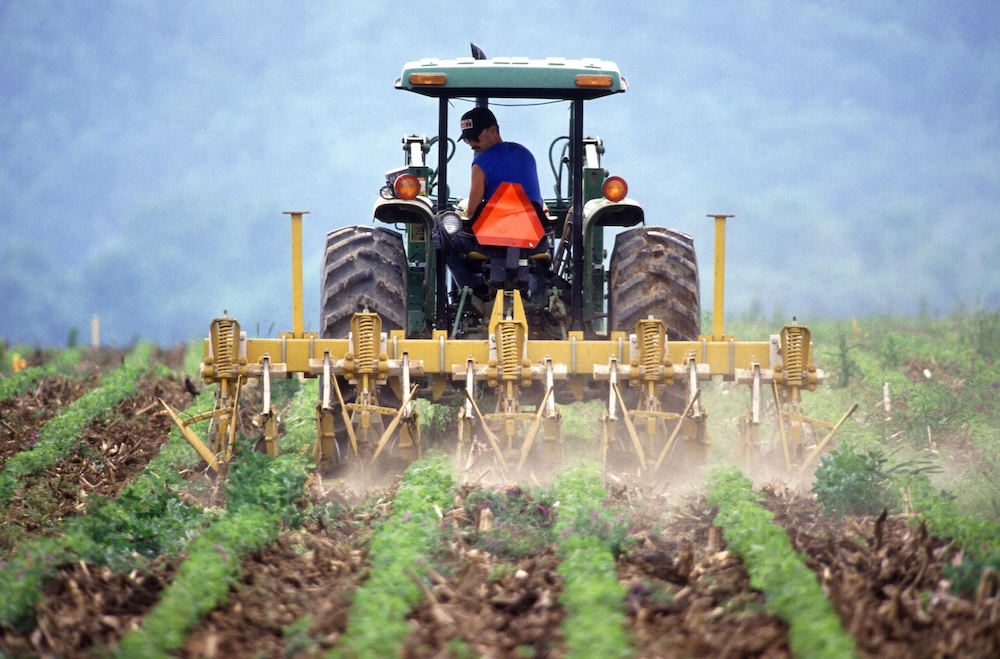
The study, “Impact of Soil Quality on Cannabinoid and Terpenoid Content of Cannabis sativa L.,” published in the Journal of Medicinally Active Plants (2025), compared hemp grown under conventional tillage with hemp grown in no-till cover-crop systems, observing consistent differences in cannabinoid profiles between soil regimes.
Soil conditions and THC
The most consequential finding involved THC. Hemp cultivated in conventionally tilled soil produced THC levels up to six times higher than plants grown in cover-cropped, no-till fields.
“Poor soil quality appears to result in higher levels of THC production, whereas higher soil quality may result in higher levels of the precursor cannabinoid, CBG,” the researchers wrote.
That distinction matters for growers balancing regulatory compliance with crop value. While elevated THC can trigger crop failure, higher levels of precursor cannabinoids such as CBG may present alternative commercial opportunities.
The researchers evaluated two hemp cultivars grown in adjacent Pennsylvania fields under different soil management regimes. Cover-crop plots used no-till practices designed to enhance soil biology, while conventional plots relied on traditional tillage. CBD responses varied by cultivar.
The research was supported by federal, academic and industry partners, including the U.S. Department of Agriculture National Institute of Food and Agriculture, the Penn State College of Medicine, and PA Options for Wellness, a licensed Pennsylvania medical cannabis dispensary and grower-processor authorized to participate in research collaborations.
Soil as a management lever
“This is the first study to show differences in extract composition of outdoor cultivated hemp grown in different soil conditions,” the authors wrote.
The findings suggest growers may be able to influence cannabinoid outcomes through agronomic decisions, rather than relying solely on cultivar selection.
“The outcome of this study provides outdoor growers with information on the effects soil health can have on cannabinoid and terpene content in hemp,” the researchers noted.
More research needed
The authors caution that further research is needed to better understand the enzyme pathways that convert CBG into THC, CBD and other cannabinoids — a process that may explain why CBG accumulates more readily in biologically active, cover-cropped soils.
“A comparison of hemp extracts of two different cultivars grown in both cover-crop soil and conventional field soil revealed significant differences in specific cannabinoid and terpene concentration,” the paper concluded.