
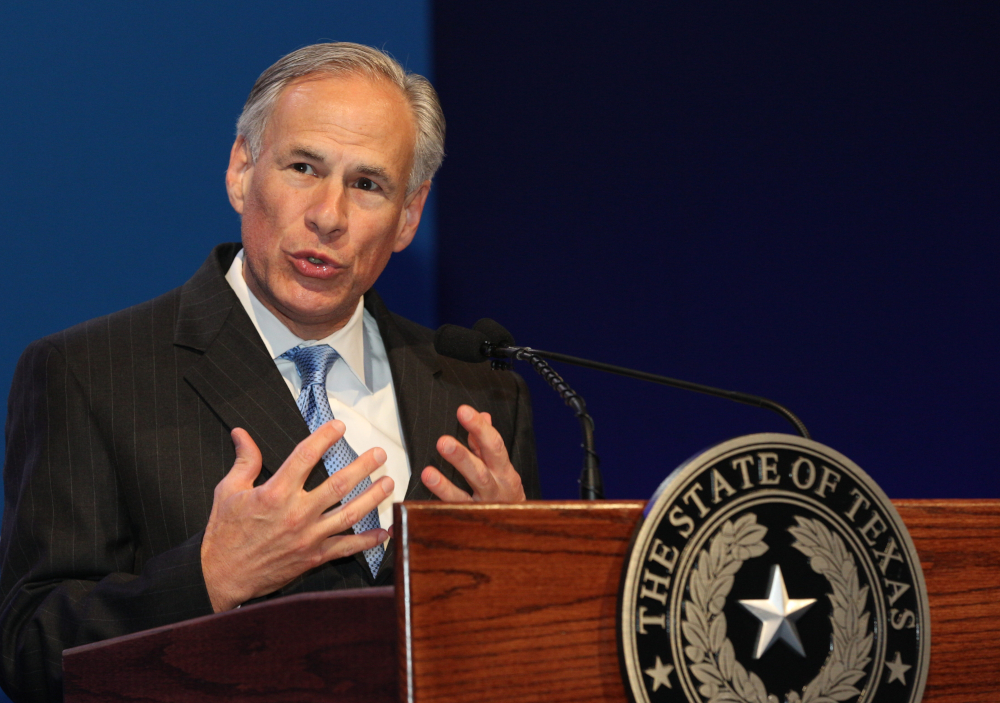
Texas lawmakers have revived efforts to ban intoxicating hemp products just one month after Gov. Greg Abbott unexpectedly vetoed a prohibition-focused bill, setting the stage for another high-stakes policy battle during a special legislative session that began this week.
The Texas Senate moved quickly to advance new legislation similar to Senate Bill 3, which Abbott rejected in June. At the time, Abbott called the bill “well-intentioned but legally flawed.” He now supports a detailed regulatory plan to rein in the state’s booming market for psychoactive hemp-derived products such as delta-8 THC and HHC.
Abbott’s shift
In a memo to lawmakers, Abbott outlined a 20-point regulatory framework modeled on alcohol and tobacco controls. Proposed restrictions include banning sales to minors, requiring THC labeling and tamper-evident packaging, and implementing testing and permitting requirements for manufacturers and retailers. Criminal penalties and excise taxes would fund enforcement.
“This is not a retreat,” Abbott said. “We must regulate hemp immediately — but we must do it in a way that holds up in court.”
Kid-friendly packaging!
Texas legalized consumable hemp in 2019, shortly after the federal 2018 Farm Bill defined hemp as cannabis containing less than 0.3 percent delta-9 THC. That definition created a loophole that allows for the conversion of CBD into intoxicating cannabinoids, which remain legal in many states.
These hemp-derived products, often sold in vapes, gummies and drinks, are widely available at smoke shops, gas stations and online. Many feature packaging resembling candy or soda, raising concerns about marketing to children. Though intoxicating, the substances are not regulated as drugs or controlled substances, leaving users exposed to unknown health risks.
Federal delay
Congress has yet to close the loophole or adopt clear rules. A revised Farm Bill, originally expected in 2023, remains stalled. Sen. Mitch McConnell, who championed hemp legalization, has expressed concern about the proliferation of psychoactive products but has not endorsed any specific remedy.
With no federal action, states have adopted a patchwork of responses. Some, such as New York and Connecticut, have created tight regulatory frameworks. Others, including Texas and Florida, are leaning toward bans. Hemp advocates say the lack of clarity has reversed years of work to distinguish hemp from marijuana and position it as a sustainable, non-intoxicating crop.
Texas is one of the largest markets for hemp-derived THC in the United States, with an estimated 8,000 retailers and annual sales of $4.3 billion.
RI halts retail licenses
Regulators in Rhode Island have temporarily paused the approval of new hemp product retailers as concerns mount over intoxicating cannabinoids and regulatory ambiguity.
The Rhode Island Department of Health confirmed the licensing pause, citing unclear rules around testing, labeling and product content, especially with regard to delta-8 THC and similar compounds. The state allows hemp products containing no more than 0.3 percent total THC, but synthetic or chemically altered cannabinoids are not clearly addressed under current law.
The surge in retailer applications and lack of oversight triggered the suspension. State officials said they are working with the attorney general’s office and other agencies to clarify regulatory authority and ensure public safety.
Frustration
Retailers expressed frustration, saying they invested in inventory and permits based on existing guidance, only to face a sudden freeze. Industry advocates warned that unclear laws put both businesses and consumers at risk.
With virtually all U.S. states struggling to respond to the national glut of unregulated intoxicating hemp products. Without federal reform, the situation is expected to remain volatile through 2025.