
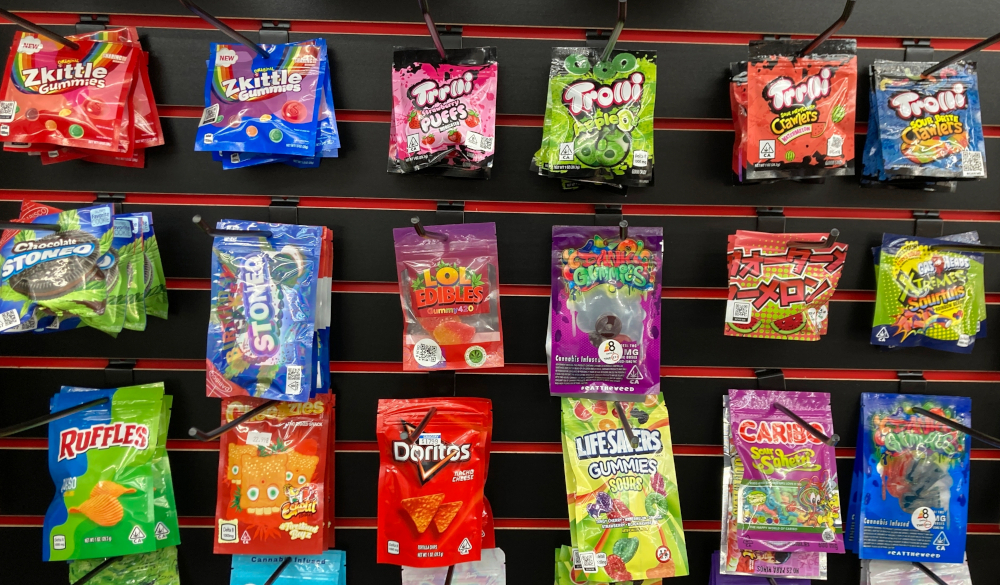
Researchers at the University of California San Diego report that U.S. adults are more likely to use delta-8 THC in states that ban marijuana and leave hemp-derived intoxicants unregulated.
Lead author Eric C. Leas said bans do not halt demand; they redirect it. “People don’t just stop using cannabis when their state bans it. They often shift to alternatives that are easier to access, even if they’re less well-studied or poorly regulated,” Leas said. “It’s a classic case of unintended consequences in public policy.”
The paper was published Sept. 3, 2025, in the American Journal of Preventive Medicine from Dutch publisher Elsevier.
Key finding
Based on a national survey of 1,523 adults, 7.7% reported having used delta-8. Prevalence was higher in states that prohibit marijuana and do not regulate delta-8 sales; it was lower in states with adult-use frameworks or medical programs, and lowest where delta-8 is regulated or banned. As the paper notes, lifetime use was “lower among adults in states permitting recreational marijuana use (5.5%),” underscoring the role of legal access to regulated cannabis.
The authors grouped each state by two factors—marijuana status (prohibited, medical, adult-use) and delta-8 status (banned, regulated, unregulated)—and modeled the likelihood of ever using delta-8 across those regimes. They argue that clearer, consistent rules for hemp-derived intoxicants could reduce harm, especially as Congress weighs Farm Bill changes that may close existing loopholes.
“Providing legal access to cannabis that meets safety standards and disallowing understudied and poorly regulated products like delta-8 THC could be one way to prioritize public health,” Leas said.
Bugaboo loophole
Delta-8 THC, a close analog of “high”-inducing delta-9 THC found in marijuana, occurs in industrial hemp flowers naturally but only in trace amounts. Most commercial, high-concentration delta-8 is produced by chemically converting hemp-derived CBD (isomerization) and then formulating gummies, vapes, or beverages. After the 2018 U.S. Farm Bill legalized hemp at a 0.3% delta-9 THC limit, producers began selling intoxicating THC isomers synthesized from hemp CBD outside state-licensed cannabis channels—exposing a legal gap.
U.S. regulators have warned about safety, child-appealing packaging, and the status of synthetically derived cannabinoids, while states have adopted a patchwork of bans, age restrictions, and potency rules.
Safety signals
Unlike state-regulated marijuana products, delta-8 goods are often sold online and in convenience retail with limited oversight. The U.S. Food and Drug Administration (FDA) has cautioned that delta-8 products are not approved, has logged adverse-event reports, and has highlighted risks from look-alike packaging and manufacturing byproducts. These concerns align with the study’s harm-reduction rationale for channeling consumers toward regulated markets and curbing unregulated intoxicants.
The paper calls for nationwide standards specific to hemp-derived intoxicants while urging further research into who uses delta-8, how they use it, and why.
Leas said interest follows access: “When safer, regulated access to marijuana is unavailable, people become interested in products that are available, even if they’re riskier.”