
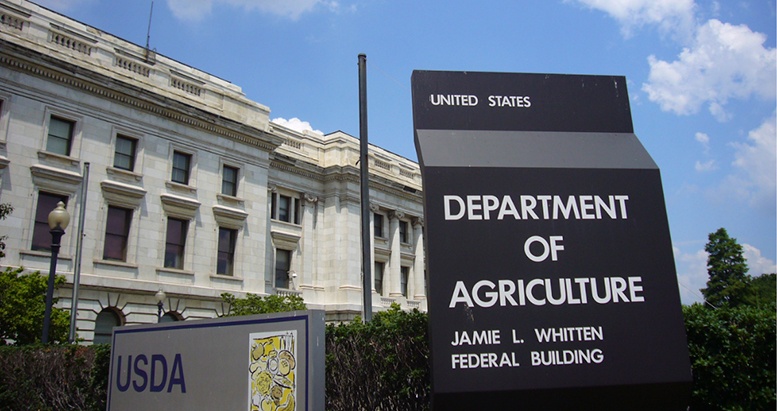
South Dakota has ended its state-run industrial hemp program, shifting oversight of growers to the U.S. Department of Agriculture (USDA), in a move that adds a fresh warning sign from the U.S. hemp sector.
The shift comes as acreage in South Dakota, the nation’s hemp leader, fell by 70% in 2025. The developments are particularly alarming because South Dakota was one of the few states that had leaned almost exclusively into grain and fiber.
For growers, the change could mean lower costs and fewer layers of oversight. But it is also a stark signal that fiber and food, hemp’s most promising markets, have a long way to go and major struggles ahead.
$ unsustainable
The switch to USDA came through Senate Bill 39, signed this week, which was backed by the South Dakota Department of Agriculture and Natural Resources (DANR). State officials said the hemp program was no longer financially sustainable and that shifting growers to the USDA would cut costs for both the state and the industry.
According to testimony from the DANR, fees from hemp farmers covered only about 11% of program costs in 2025, with the rest paid from the state’s general fund. State officials said the change should eliminate license fees for growers, remove state oversight of processors and save roughly $200,000 in taxpayer money.
Fields fall 70%
South Dakota’s withdrawal follows a sharp contraction in hemp farming after strong acreage in 2024, when USDA data showed 3,900 planted acres and 3,700 harvested, making the state the biggest grower in the country. State officials early this year said hemp production in 2025 fell to 1,128 acres.
That reversal is especially notable because the state’s hemp sector was built mainly around grain and fiber rather than cannabinoids. Only a tiny share of acreage ever went to flower in South Dakota, while most fields were planted for food and industrial uses that many in the sector have long viewed as hemp’s future staples.
While the change moves South Dakota hemp farming to federal oversight, it leaves laws on hemp-derived intoxicating products up to the state, which is likely to ban them. Lawmakers this year advanced SB 61, a measure aimed at eliminating hemp-derived intoxicants such as delta-8 THC and other synthetic THC substances. It would also prohibit cannabinoids above 0.4 milligrams combined total THC per container. That law has yet to pass.
Other states
South Dakota is the third state to abandon its industrial hemp plan after initially taking on that authority under the 2018 Farm Bill. Wisconsin made the same move in 2021, and Ohio ended its program with licenses that expired at the end of 2025. Growers in both those states must now apply through the USDA. Michigan considered a similar move in 2025, but its proposal to end the state hemp program and send growers to the USDA remains unfinished, and the Michigan Department of Agriculture and Rural Development is accepting hemp grower registrations for 2026.

South Dakota has been a leader in the U.S., but fields fell by 70% in 2025.