
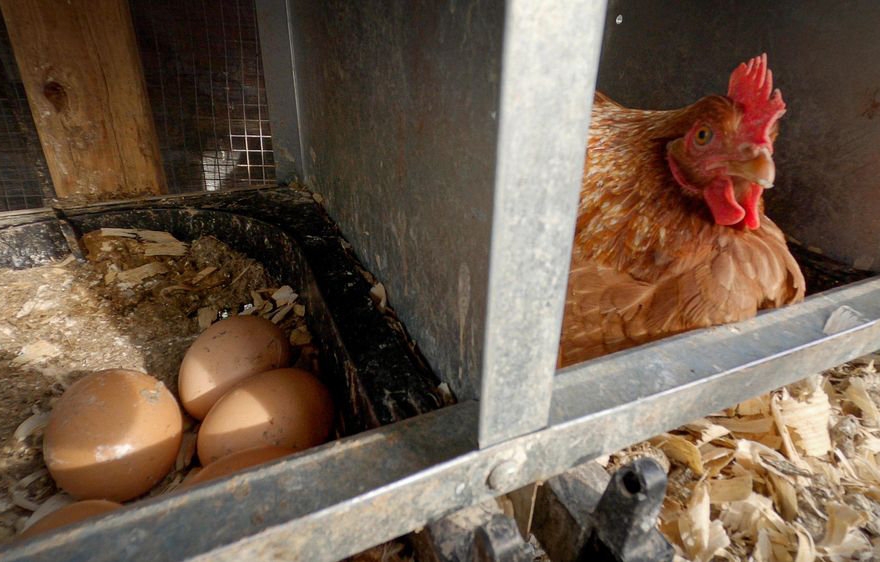
Hemp seed meal has cleared a major hurdle in the U.S. feed market, with the Association of American Feed Control Officials (AAFCO) formally recognizing the derivative as feed for laying hens. The listing, published in AAFCO’s foundational Official Publication, marks an important win for the industrial hemp and poultry sectors—but advocates warn that bureaucratic snags are slowing market adoption.
The recognition follows nearly two years of follow-through after AAFCO’s Ingredient Definition Committee voted in January 2024 to approve hemp seed meal (HSM) for poultry. The ingredient—also known as hempseed “cake”—is the high-protein, high-fiber byproduct left after cold pressing hemp seeds for oil. Advocates say it is nutrient-rich and safe, with final definitions setting limits of 2 ppm total THC and 20 ppm total CBD.
‘Pure bureaucracy’
The Hemp Feed Coalition (HFC), which led the push, overcame opposition from Canadian and European hemp trade groups that argued for different cannabinoid thresholds. Those objections were rejected after the U.S. Food & Drug Administration’s Center for Veterinary Medicine validated the definition, assuring regulators that any trace cannabinoids do not transfer to eggs or pose human health risks. Despite the national listing, hemp feed makers still face a patchwork of state-by-state approvals.
“Even after the approval vote in January 2024, many state regulators denied or stalled applications for hemp feed until it appeared in the Official Publication,” said Morgan Tweet, CEO of Montana-based IND HEMP. “Some states went even further—refusing approval until the publication is publicly available in print for a full year (2027) … These delays have nothing to do with science or safety; they’re pure bureaucracy standing in the way of market access.”
AAFCO’s imprimatur does not grant automatic state-level acceptance, requiring companies to navigate separate registrations in each jurisdiction. HFC President Andrew Bish called the delays “frustrating” but said every approval “moves hemp closer to functioning as a real agricultural commodity” by opening new markets for farmers.
Regulatory pathways
The milestone comes amid changes to how feed ingredients are approved. In 2024, AAFCO and FDA-CVM opted not to renew a longstanding Memorandum of Understanding, instead developing separate regulatory routes—an AAFCO science advisory panel in partnership with Kansas State University, and an FDA-CVM Ingredient Definition pathway. Bish said HFC remains cautious, noting the Kansas State framework’s launch is already behind schedule: “Farmers can’t afford to wait.”
“Applications take scientific rigor, a relationship with the regulators, as well as dollars to pay our science reviewers and writers,” Bish said, urging stakeholders to join the coalition to speed progress.