
Eswatini has taken its first formal step toward evaluating industrial hemp as a commercial crop, with the Ministry of Agriculture approving four hectares of research trials designed to determine whether the tiny southern African nation can support a viable hemp industry.
Despite its small size, Eswatini occupies a favorable position in one of the world’s principal hemp-growing latitude zones. That geographic advantage has helped fuel growing interest in hemp across Southern Africa, where South Africa, Zimbabwe, Zambia and Malawi have all launched industrial hemp initiatives in recent years, even as commercial processing and market development continue to lag cultivation.
“We are proposing diversification so that farmers have another profitable crop,” Johan Botha, of Eswatini’s Department of Cannabis and Hemp Development, told AgriBusiness Media. While projections suggest hemp could outperform cotton economically, Botha said the government sees hemp as a complementary crop to cotton.
Eswatini, formerly Swaziland, is a landlocked nation of about 1.2 million people with roughly 177,000 hectares of arable land. The country adopted its current name in 2018, marking the 50th anniversary of its independence from the United Kingdom.

Will it grow?
Botha said the research is intended to determine more than whether hemp can be cultivated successfully.
“We must prove that its fiber, oils and other products can meet commercial standards and secure markets, particularly within Southern Africa,” he said.
The Ministry of Agriculture authorized African Hemp Development and Management (Pty) Ltd to coordinate the research with the University of Eswatini. Trials will be conducted at the university and three additional sites selected to represent the country’s different farming conditions. The program will evaluate varieties, production costs, water requirements, pest and disease pressures, fiber and seed yields, processing requirements and potential markets.
The research project was discussed during the Southern African Development Community (SADC) Cannabis and Hemp International Study Tour in Manzini, where participants examined regulatory frameworks, financing, farmer participation, processing capacity and market development.
Farmer-centric
Trevor Shongwe, secretary-general of the Eswatini Hemp and Cannabis Association, told AgriBusiness Media that local farmers should remain central to the industry’s development.
“Our priority is to ensure that emaSwati farmers are not spectators in an industry being developed on their own soil,” Shongwe said, adding that growers should have opportunities to participate in production, processing and ownership as the sector develops.
Participants proposed establishing a steering committee and research working groups before the end of August to finalize trial protocols, funding arrangements and coordination with regulators.
The ministry’s authorization applies only to research. Any broader cultivation program would depend on the trial results, additional government approvals and the development of an appropriate regulatory framework.
If the research confirms that hemp can be grown competitively and profitably, it could provide policymakers and investors with the evidence needed to evaluate a domestic value chain serving textiles, construction materials, food products, cosmetics, research and manufacturing.
Ag landscape
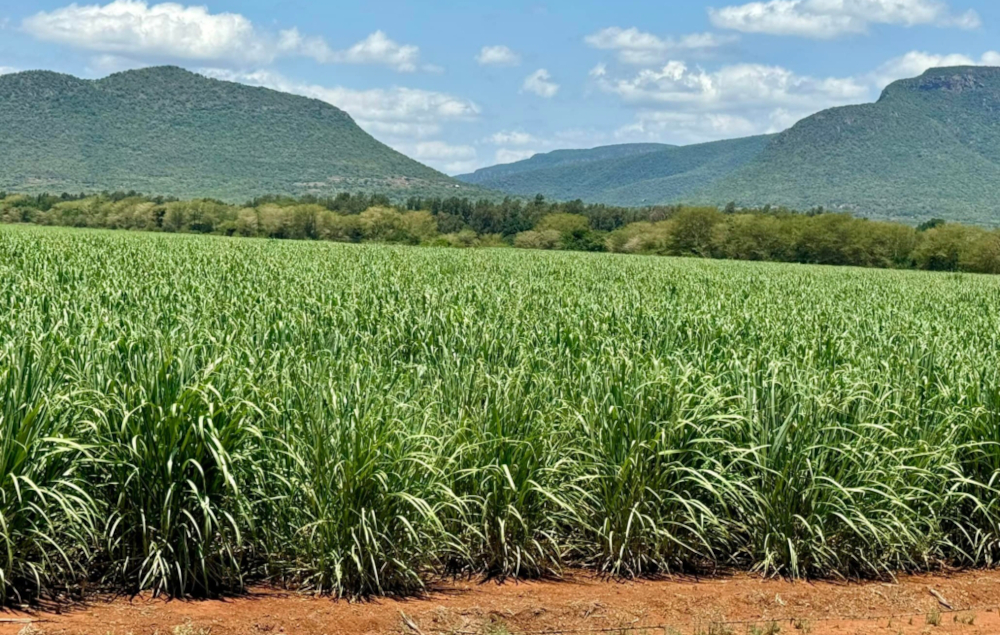
Agriculture in Eswatini is split between large commercial operations and smallholder farms. Sugarcane dominates irrigated export agriculture, while citrus, forestry, cotton and cattle are also important industries.
Most rural households, however, practice rain-fed farming centered on maize, the country’s staple crop, often supplemented by vegetables and livestock.