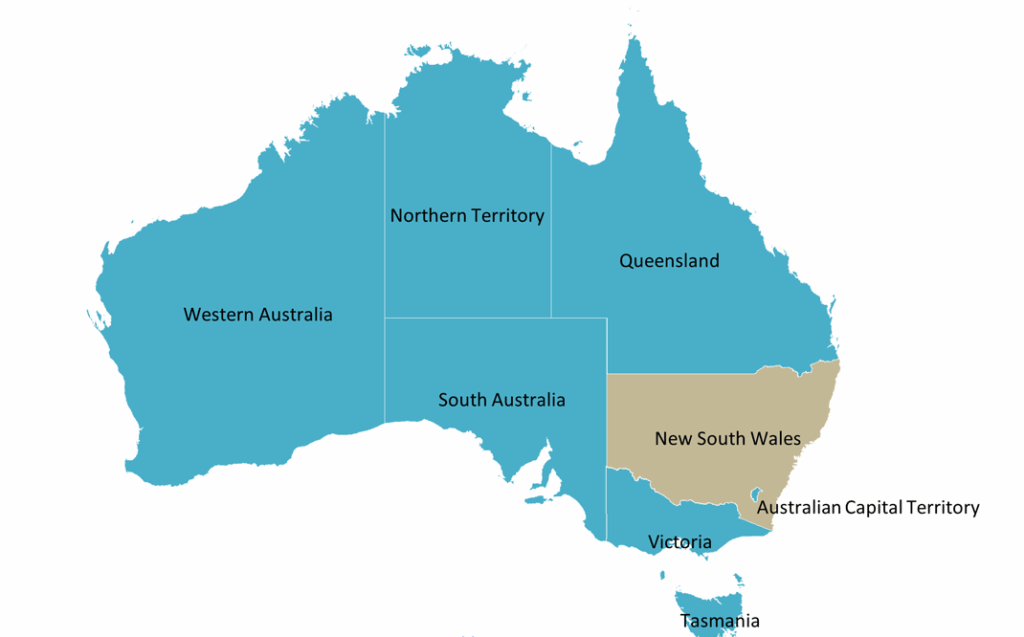
The Australian state of New South Wales is backing its industrial hemp ambitions with a development strategy that signals the government intends to build an industrial manufacturing sector around the crop.
Hemp should become “a mainstream crop and a sustainable source of products in the future low-carbon, circular economy,” according to the plan.
Having proven hemp can be grown since the first licensed commercial crops were planted in 2009, the state now appears to be shifting toward developing processing businesses, manufacturing capacity and creating long-term demand.
Among its priorities, the plan calls for stronger regulation, expanded research, nationally consistent hemp rules, and regular public reporting on hemp production.
The government has reinstated the NSW Hemp Industry Taskforce to monitor implementation of the strategy, signaling that officials intend to keep the plan active beyond its release.
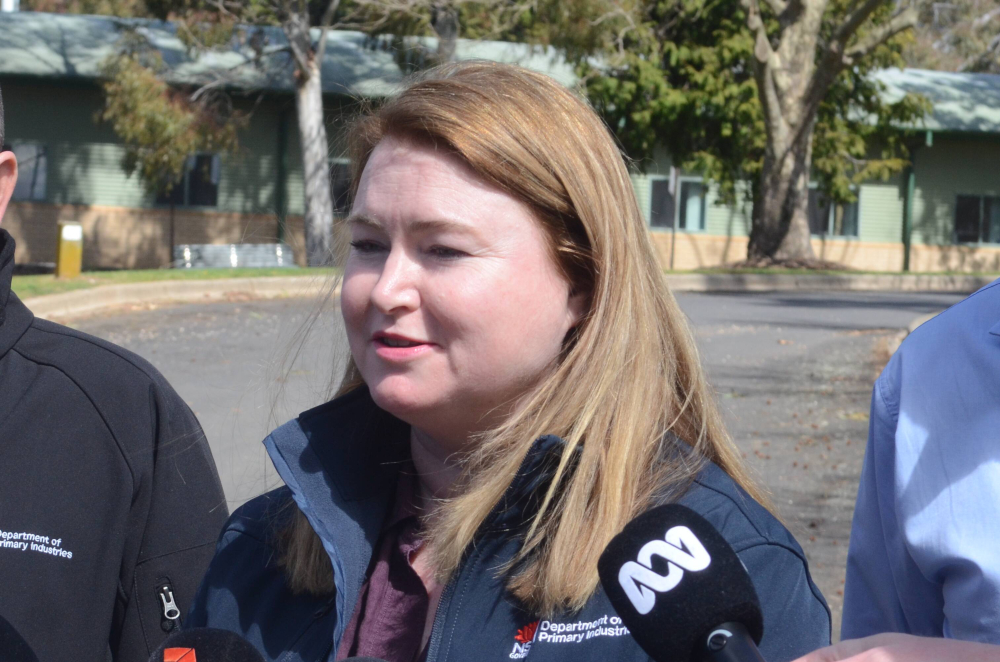
“We’re working closely with the NSW Hemp Industry Taskforce to turn this vision into action and deliver a strong, sustainable future for the hemp industry,” said state Agriculture Minister Tara Moriarty.
Private investment needed
The plan, released this month, suggests the government sees its role as creating the conditions for growth, while much of the industry’s expansion will ultimately depend on attracting private investment into value-added manufacturing and regional processing hubs as the key to moving NSW hemp beyond an emerging crop into an industrial sector.
But the state is also putting its money where its mouth is. Also this month, New South Wales announced AU$20 million (US$13 million) in grants supporting two major fiber-related projects.
Positive step
“NSW is the leading hemp state of Australia, and the NSW government is putting its support and backing behind moving the industrial hemp industry forward,” said Colin Steddy, Director of Hemp Inside Pty Ltd., an industry consultant who serves on the executive committee of iHemp NSW, the state’s hemp association.
“This is a very positive step for the industry,” Steddy said of the plan.
While government announcements accompanying the plan emphasized research, regulation and market development, the strategy itself repeatedly returns to one theme: processing.
The approach closely mirrors conclusions reached independently in HempToday’s Australia & New Zealand report last year, which argued that Australia’s next phase of development depends less on increasing cultivation than on building commercially viable processing infrastructure capable of supporting regional manufacturing.
Building an industry
The NSW plan repeatedly frames hemp as an industrial raw material rather than simply another crop.
It specifically encourages flexible processing models, including on-farm processing, regional hubs and co-location with other agricultural industries. It also calls for product standards, quality assurance and evidence-based performance information to strengthen consumer confidence while identifying opportunities for Aboriginal businesses to participate in the sector.
Construction materials appear to be the principal commercial target. While food, grain, textiles and composites are all discussed, the document repeatedly links hemp to green building and the circular economy.
NSW hemp: The numbers
The plan also offers a snapshot of Australia’s leading hemp state. NSW figures for the 2024-25 reporting year show:
- 172 hemp industry licenses (as of June 30, 2025)
- 244 licensed hemp facilities across New South Wales
- 19,306 hectares approved for harvest in 2024-25
- 1,088 hectares of actual crop production, based on 2024-25 annual production returns from license holders
- 22 new license applications approved between July 1, 2024, and June 30, 2025
- 15 licenses renewed for an additional five years between July 1, 2024, and June 30, 2025
Earlier figures released during consultation on the draft plan showed more than 33,000 hectares approved for harvest in 2023-24, but only about 1,350 hectares were actually harvested. One year later, the approved harvest area had fallen to 19,306 hectares while actual crop production slipped to 1,088 hectares.
Despite the drop, the figures suggest a licensing system that is substantially ahead of commercial development. NSW farmers clearly understand hemp, have secured licenses, and appear prepared to move when markets justify planting.