
A Chinese-backed project in New South Wales has won A$10 million ($6.5 million) in government funding for a processing facility that proponents say would be Australia’s first large-scale producer of linen-quality hemp fiber.
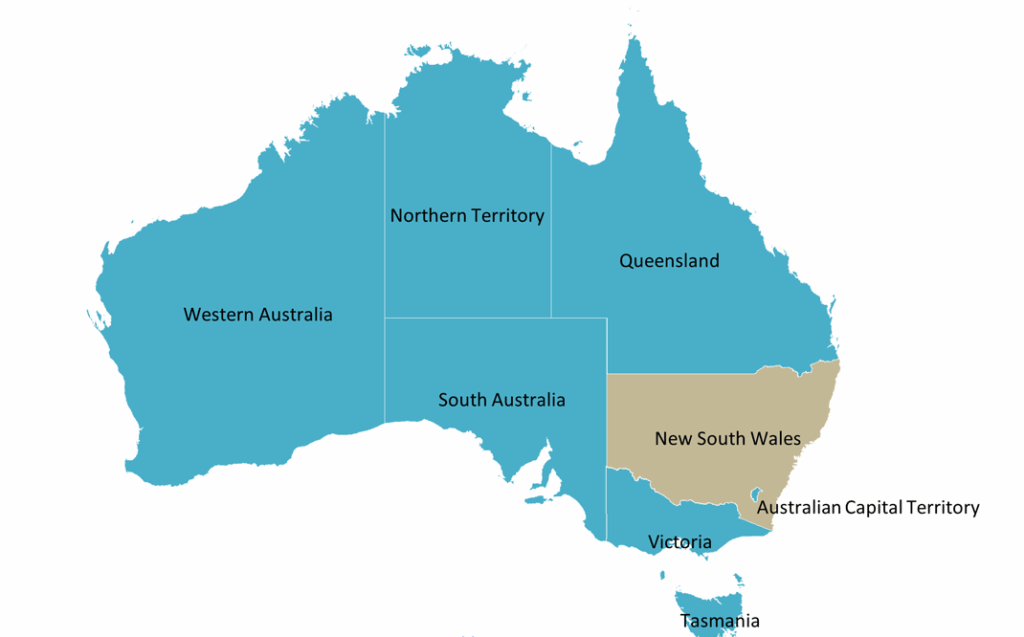
Ausuntech Pty Ltd, plans to establish operations near Carrathool in southern New South Wales. The project would be backed by new equipment, power upgrades and supporting infrastructure. It is currently awaiting planning approvals from the state government.
The project is one of two hemp ventures awarded under the Sustainable Communities Program a regional development initiative, with the second grant supporting Murray Industrial Hemp (MIH), which plans to establish a facility to produce hempcrete blocks for the natural building industry.
“These investments are about backing local businesses, supporting regional jobs and building stronger, more sustainable communities for the future,” said Tara Moriarty, State Agriculture and Regional New South Wales Minister.
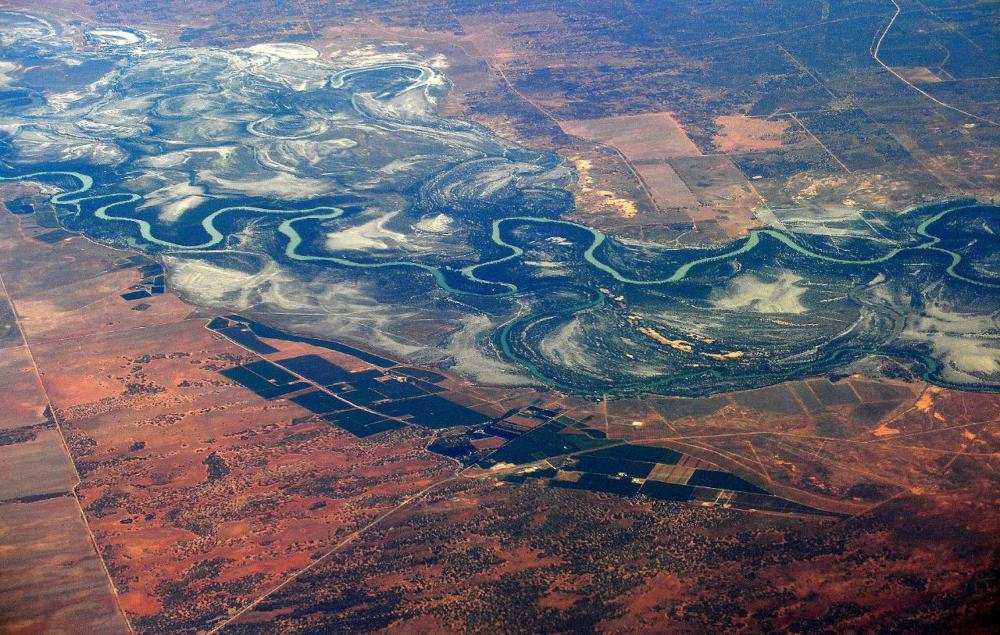
She said the funding would help businesses expand into new markets, diversify operations and strengthen long-term competitiveness across communities in the Murray-Darling Basin, Australia’s largest irrigated agricultural region.
Chinese link
Ausuntech is developing the project at Gundaline Station, a nearly 15,000-hectare agricultural operation acquired in 2023 by interests linked to China’s Zhejiang Sunrise Garment Group in a deal reportedly valued at about A$120 million ($80 million).
Zhejiang Sunrise, a major Chinese textile and apparel manufacturer, operates a vertically integrated manufacturing model that includes operations in fiber processing, spinning, weaving, knitting, dyeing, finishing and garment production. The company maintains production facilities in China and Southeast Asia, giving it the scale to supply large domestic and international apparel markets.
Sunrise sits within a broader Chinese textile ecosystem that already has experience with hemp fiber processing and textile applications.
20k tons per year
Planning documents submitted to state authorities indicate the proposed facility would process up to 20,000 metric tons of hemp annually and produce roughly 4,000 tons of fiber.
All hemp would be grown on the Gundaline holding, according to project materials. The resulting fiber would be baled and shipped to China for downstream textile processing, including spinning and weaving.
Second project
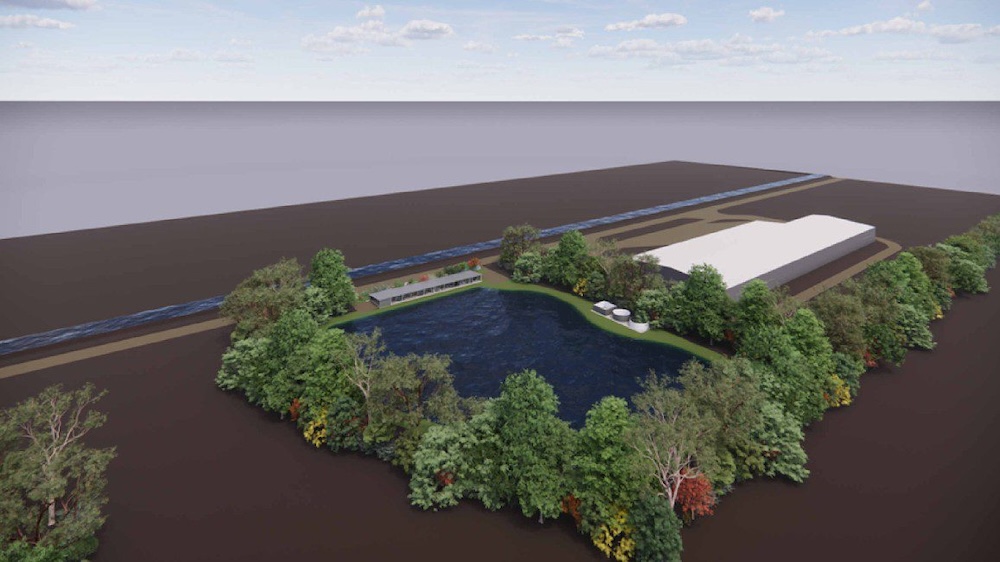
Murray Industrial Hemp (MIH) said its project will include decortication equipment to separate hemp stalks into hurd, fiber and fines, along with a manufacturing line for hemp-based building blocks. The development is planned for a former sawmill site in Barham.
MIH Executive Director Leigh Fletcher said the project is intended to create a fully integrated local supply chain, from cultivation through manufacturing.
He said growing interest from Australian builders and architects reflects increasing recognition of hemp’s thermal performance, fire resistance and sustainability benefits.
Regionalized model
Fletcher said the initiative originated with the Western Murray Land Improvement Group, which helped launch the venture and remains a significant shareholder. Local families participated in the company’s seed funding round, he said.
MIH was established in 2024 following work that began in 2021 when the Western Murray, a Barham-based nonprofit, started exploring new agricultural industries for the region. Since then, organizers have conducted crop trials, completed a business case, attracted investment and established a corporate structure.
Value-added ag
The grants come as New South Wales pursues broader hemp-sector reforms aimed at improving market access and strengthening supply chains. Last year, the state proposed changes that would allow hemp seed meal to be used in animal feed and simplify the movement of hemp products across state borders, measures intended to support processing investment and encourage industry growth.
The latest funding announcements suggest state and federal policymakers increasingly view hemp processing as a potential source of regional manufacturing and value-added agricultural development.
The two grants are among 14 projects worth A$69 million ($45.5 million) under the second round of the Sustainable Communities Program, which is funded by the Australian federal government and delivered by the New South Wales government.
The grants are funded through a regional adjustment program tied to the Murray-Darling Basin Plan, under which the federal government has conducted controversial “water buybacks” — purchasing irrigation water entitlements from willing sellers and returning them to the river system to support environmental flows. While intended to improve river health, critics argue the policy reduces water available for agricultural production, potentially affecting farm output and economic activity in irrigation-dependent communities.
What the science says
Although hemp is often promoted as a crop suited to more water-constrained farming systems, the grants were awarded as part of a regional economic adjustment program rather than a water-efficiency initiative, supporting new processing capacity and industrial development in communities affected by water buybacks.
Federal Environment and Water Minister Murray Watt said the Australian government was supporting communities affected by water recovery measures while pursuing environmental goals for the Murray-Darling Basin.
“The science tells us that we need to recover water to secure the long-term environmental health of the Murray-Darling Basin and the jobs and communities that rely on it,” Watt said.