South Australia is launching a new round of industrial hemp trials aimed at identifying varieties that require less water.
The state’s Department of Primary Industries and Regions has committed A$500,000 (~$330,000) for the trials and small infrastructure grants for producers, extending nearly a decade of public investment in support since industrial hemp was legalized in 2017.
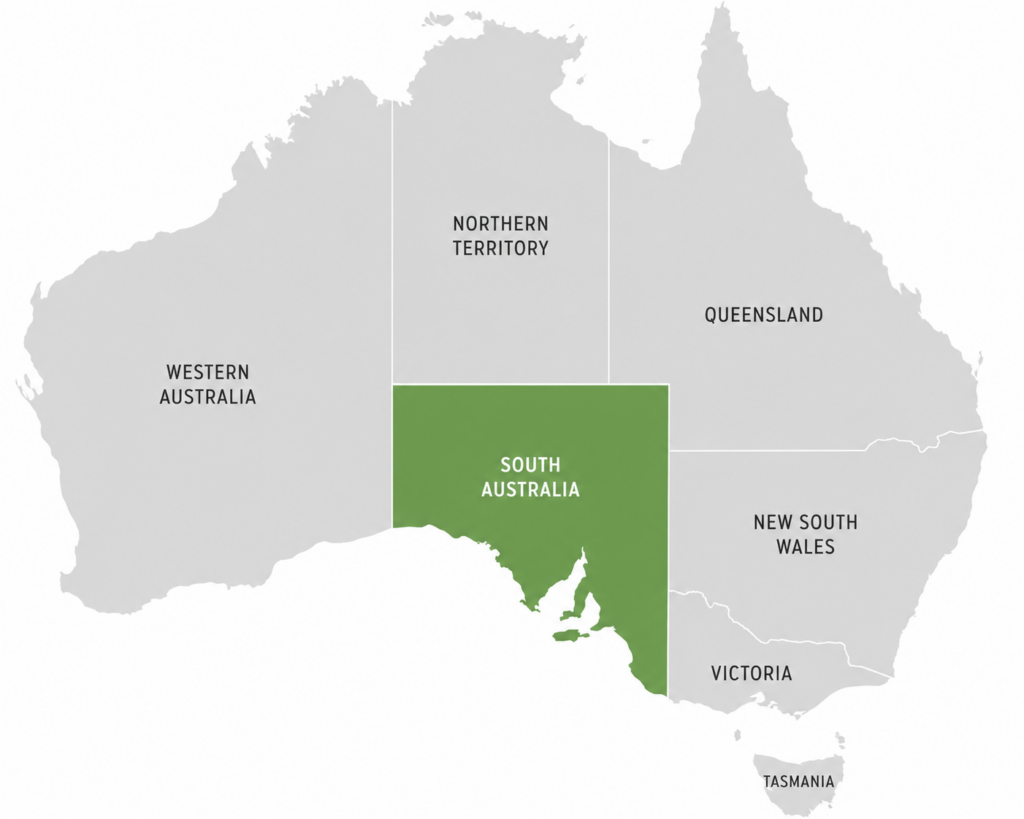
South Australia’s geography has long made it one of Australia’s more promising hemp regions. Most agricultural production is concentrated between roughly 34 and 38 degrees south latitude, comparable to some of the world’s established hemp-growing regions in the northern hemisphere.
Mediterranean winters, relatively mild summers in the southeast and extensive grain-growing districts have supported repeated government research into the crop, although limited rainfall remains a major constraint in much of the state.
The latest program is designed to identify hemp varieties that can overcome that constraint, including in the Riverland, a semi-arid irrigated farming region along the River Murray in the eastern part of the state.
Step by step
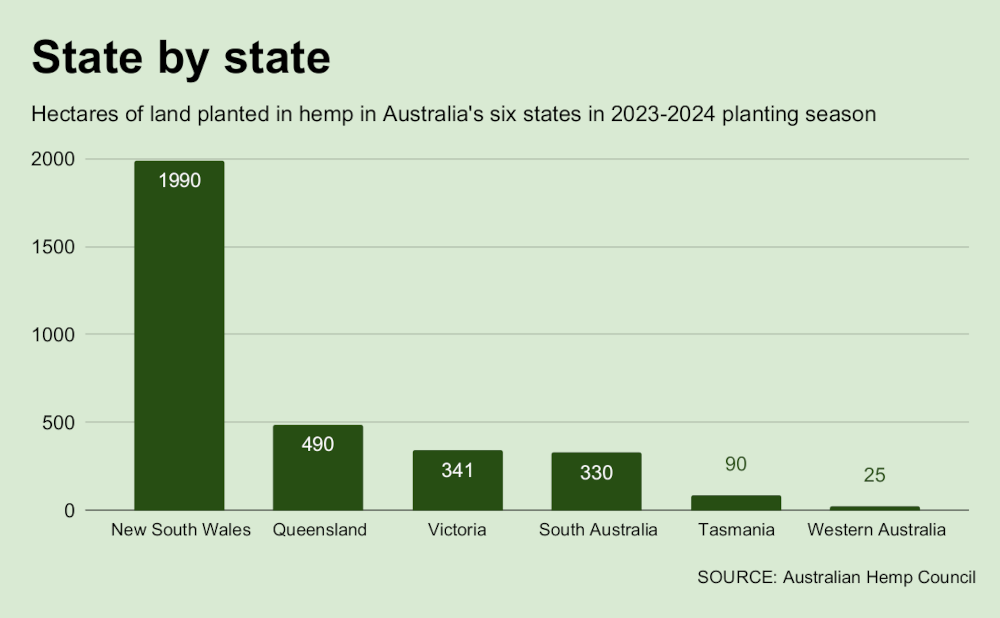
South Australia has roughly 4 million hectares of arable land devoted mainly to wheat, barley, canola and legumes, along with livestock production. The state grew 330 hectares of hemp in the 2023-24 season, according to the latest figures available.
Previous trials established that hemp can be grown successfully and identified some varieties that performed well under local conditions. A trial in the Limestone Coast, in southeastern South Australia, identified the region as particularly suitable for growing industrial hemp.
The new work reflects both increasing pressure on water resources and the industry’s desire to expand production beyond regions best-watered by rainfall.
The initiative follows a pattern in South Australian hemp policy: government-led trials, cautious expansion and modest financial support aimed at building the industry incrementally rather than through large-scale subsidies.
Business case
The state’s commercial ambitions have accompanied research efforts from the beginning.
Early pilot work led by the South Australian Research and Development Institute prompted projections in 2018 that hemp could become a A$3 million (~US$2 million) annual farm-gate industry within five years.
More recently, South Australia emerged as one of the states expected to contribute to Australia’s fiber expansion. A report by the Australian Hemp Council in 2024 pointed to significant proposals linking hemp to housing and construction initiatives
That report also pointed to grain yields of up to 2 metric tons per hectare under favorable conditions.