
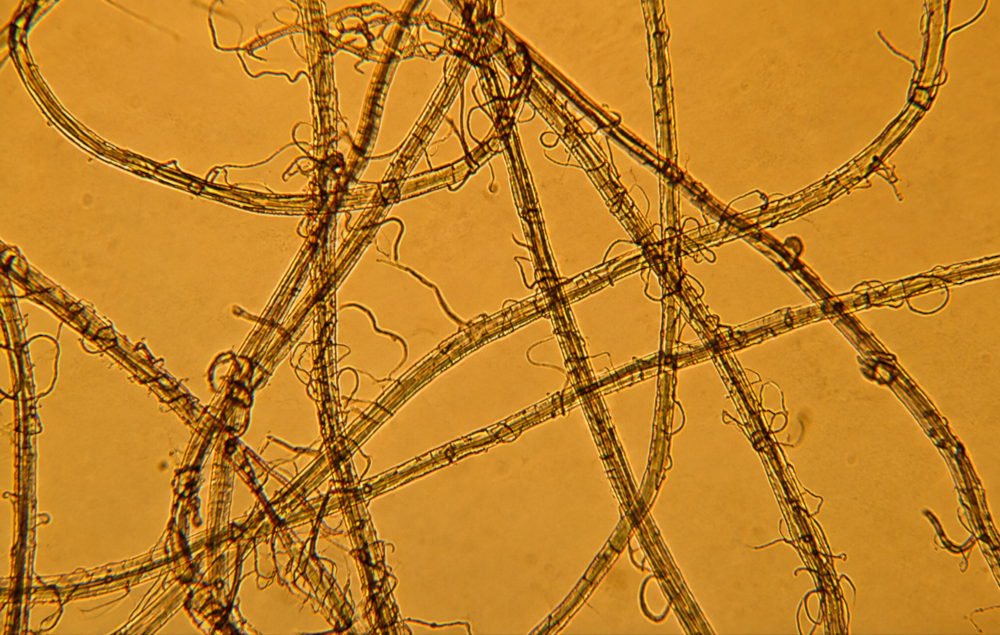
The Canadian province of Alberta is putting CA$3.75 million (US$2.75 million) into a project to scale up production of regenerated cellulose fiber from hemp, potentially creating another industrial market for the province’s crop.
Edmonton-based Zylotex Inc. will use the funding from Emissions Reduction Alberta (ERA) toward a CA$20.4 million project to produce lower-emissions cellulose materials from agricultural residues, beginning with hemp bast fiber.
The project is significant for Alberta because the province is Canada’s biggest hemp producer, with cultivation overwhelmingly focused on grain for food ingredients and oil. That leaves substantial quantities of stalk as an underused secondary raw material.
Zylotex received the largest individual award among five Edmonton-area projects getting a combined CA$15.7 million from ERA through Alberta’s Technology Innovation and Emissions Reduction fund. The other projects cover hydrogen, lower-carbon cement and technologies for using captured carbon dioxide.
Hemp to lyocell
Zylotex is developing technology that converts cellulose extracted from hemp into lyocell, a regenerated fiber in the same broad family as viscose and rayon.
Unlike conventional hemp textile processing, which cleans and refines the plant’s natural bast fibers for spinning, the Zylotex process extracts cellulose, dissolves it and regenerates it as a new fiber.
The resulting material can be used in woven and knitted textiles as well as nonwovens. Zylotex has identified geotextiles, filtration materials, erosion-control products and medical absorbents among potential nonwoven applications, along with composites and other advanced materials.
The Edmonton materials technology company grew out of research into producing dissolving-grade cellulose pulp and lyocell from Alberta hemp. It is working with Alberta-based Plantae Technologies on processing hemp fiber as feedstock for its system.
Alberta crop
Alberta farmers planted 6,999 hectares of hemp in 2025, more than any other Canadian province, while more than 80% of Canadian hemp fields nationally were dedicated to grain. Hemp grown specifically for fiber fell by half to just 933 hectares.
Alberta grain hemp is primarily grown for hemp hearts and other foods, protein ingredients and hempseed oil. Developing markets for the remaining stalk could improve the economics of the crop by giving growers and processors value from both seed and fiber.
Earlier efforts
The Zylotex investment follows an earlier Alberta effort to commercialize hemp stalks from grain production.
INCA Renewtech received a CA$10 million (US$7.4 million) ERA grant in 2023 toward a proposed 200,000-square-foot processing plant at Vegreville that would turn hemp stalks into fiber for automotive, marine, wind-energy and consumer-product composites.
The planned 200,000-square-foot facility has been substantially delayed and remains listed as “proposed” in Alberta’s Major Projects database, indicating construction has not started. INCA continued development work in 2025, however, receiving additional provincial support for hemp biocomposites and launching a US$42 million fundraising campaign aimed at financing a vertically integrated processing and manufacturing operation.
A CA$5 million federally backed project at Elk Point that was to process hemp fiber for uniforms and other textiles failed to launch in 2025.