
South Korea is investing 29.6 billion won (about $21 million) to move its pioneering industrial hemp program into a new commercialization phase, signaling that medical applications remain the government’s top priority for the crop.
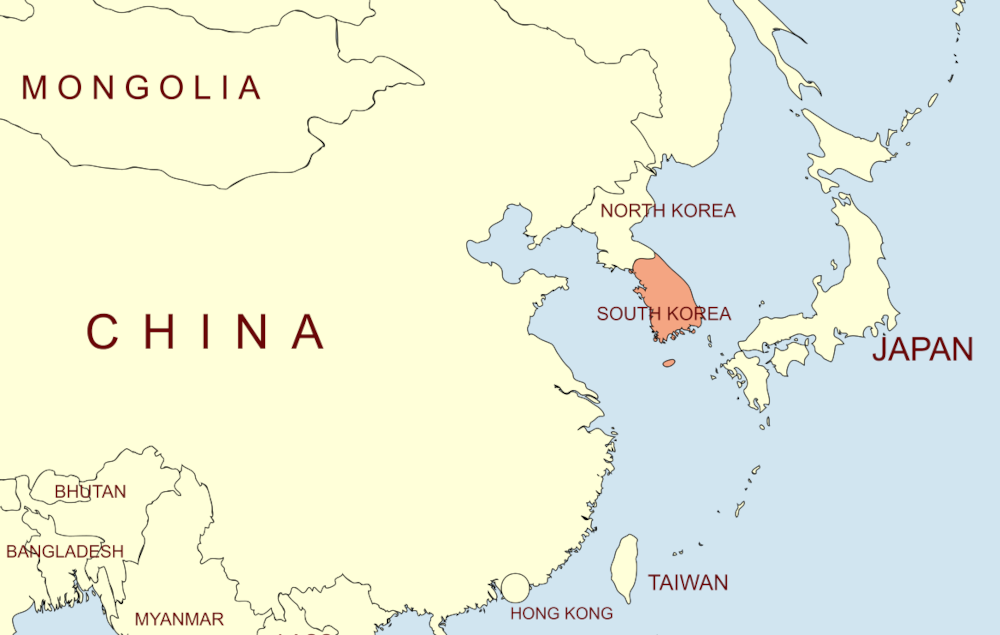
The four-year project will expand the Andong Industrial Hemp Special Zone in North Gyeongsang Province, which South Korea established in 2020 as a government-supervised area where approved companies can test medical hemp cultivation, cannabinoid extraction and pharmaceutical development under tightly controlled conditions and the country’s strict cannabis laws.
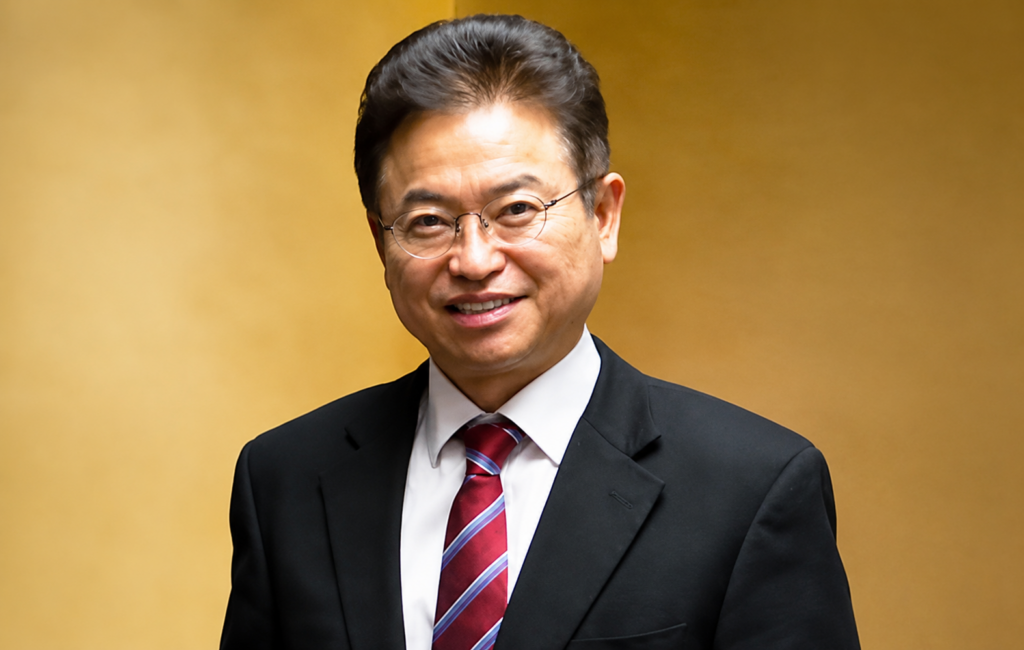
North Gyeongsang Province said the program is intended to extend an Andong medical-hemp program that until now has centered mainly on CBD. The goal is to commercialize substances derived from minor cannabinoids such as CBG, CBC and CBN while strengthening the region’s position as a medical cannabis biotechnology hub. Gov. Lee Chul-woo described the project as part of the province’s broader strategy to foster future industries through regulatory innovation.
Controlled cultivation
The provincial announcement does not specify how hemp will be cultivated under the expanded program. Earlier documents for the Andong project, however, have described greenhouse and other controlled-environment cultivation as part of the project’s strict security framework, reflecting South Korea’s highly restrictive cannabis laws and a plan to tightly monitor plant material within the special zone.
The province has emphasized construction of a full pharmaceutical value chain that extends from the development of domestic hemp varieties to cultivation to the production of active pharma ingredients and finished medicines.
Long-term strategy
South Korea created the Andong Industrial Hemp Special Zone in 2020 to establish a medical hemp cluster centered on cannabinoid extraction and pharmaceutical research.
Commercial activity began to emerge in 2022 when CTC Bio and Japan’s Evolution Network announced plans to develop and market oral CBD products based on research conducted inside the Andong zone.
The Andong project brings together biotechnology companies including Neoken Bio, which specializes in cannabinoid-based drug development, and HLB Life Science R&D, the research subsidiary of HLB Group. Other participating companies include Apack, Envider Pharm, TopoLab and INGR, working alongside the Korea Institute of Science and Technology (KIST) and the Gyeongbuk Institute for Bio Industry to establish a complete value chain from hemp cultivation to commercialization.
Probing fiber
More recently, South Korean researchers have broadened hemp innovation beyond cannabinoids, investigating industrial applications for hemp fibers and processing byproducts in bio-based composite materials. The latest government investment suggests, however, that pharmaceuticals remain the country’s first commercial priority for hemp.
Other zones
The Andong initiative is one of three new regulatory free zones approved for North Gyeongsang Province under South Korea’s strategy to accelerate future industries through targeted regulatory exemptions.
The government also designated special zones in Pohang to develop next-generation electric propulsion ships, and in Chilgok to commercialize modular low-speed electric vehicles.
Together, the three projects will receive 69 billion won (about $50 million) in public and private investment through 2030 as South Korea uses regulatory sandboxes to test emerging technologies before considering broader policy changes.